- Price: $24.99 USD (base game), $29.99 (Deluxe Edition)
- Deluxe DLC: $5.99
- Developer: Beehive Studios
- Publisher: Team17
- Release Date: May 26, 2026
A review code was kindly provided by Team17 on behalf of Beehive Studios. We thank them for allowing us to cover something they’ve worked so hard on.
Content warning: rated E for everyone; minor swearing, wealth inequality, corrupt justice system, cult, off-screen murder option, etc.
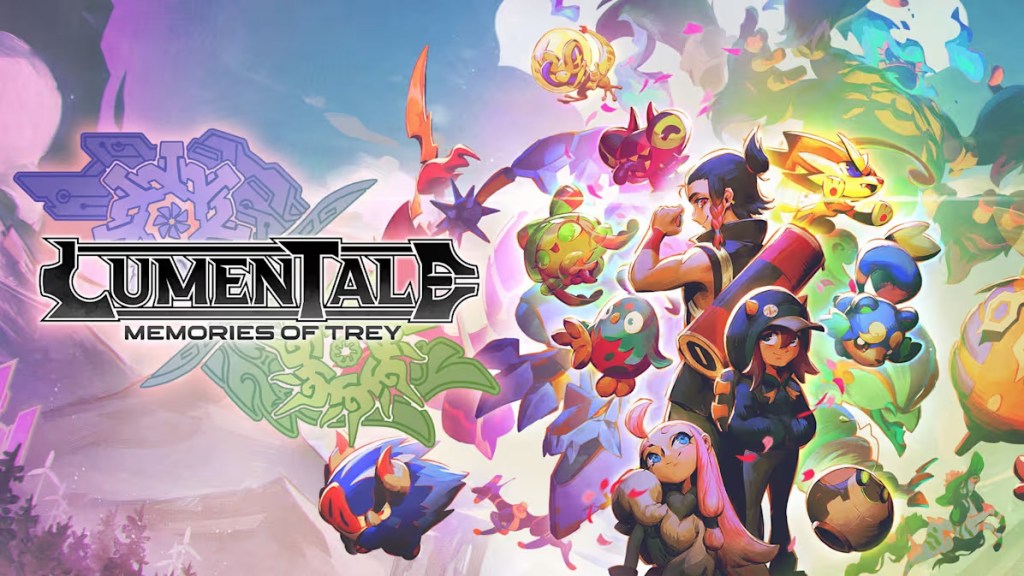
I love a good monster collecting RPG, so when I saw the images and description of LumenTale: Memories of Trey I was sold on it. Follow the titular main character Trey on his journey to see if he can discover the secrets of his past. In the meantime, he’ll work hard to become the land’s best Lumen (=Trainer) by building up a strong team of Animon.
The story begins with a young boy named Ales discovering an unconscious Trey in the forest. He awakens in the boy’s home, and a series of events unfold that demonstrate Trey’s potential as a Lumen.
People suggest that Trey should travel to different cities and participate in matches to earn enough points to get to the big tournament. He thinks it’s worth a shot, as it’s possible he could find clues about his past along the way.
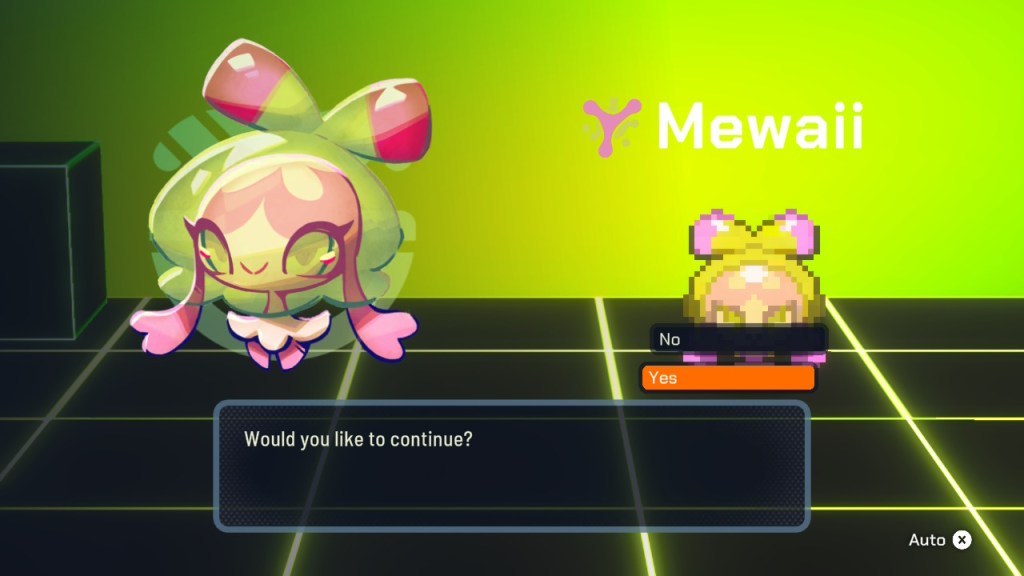
Before even starting the game you’re given a personality test, and Ales’ uncle will recommend that you choose a specific Animon out of the 5 options based on that information. Having 5 options is really cool since I’m so used to only 3, and each one seems pretty good too.
I went with the one described as lonely, because how could I not? 🥹 You’re loaned an Animon to use to prove yourself in battle against your choice of starter, which is a nice deviation from the standard rival battle at the beginning of the Pokémon games.
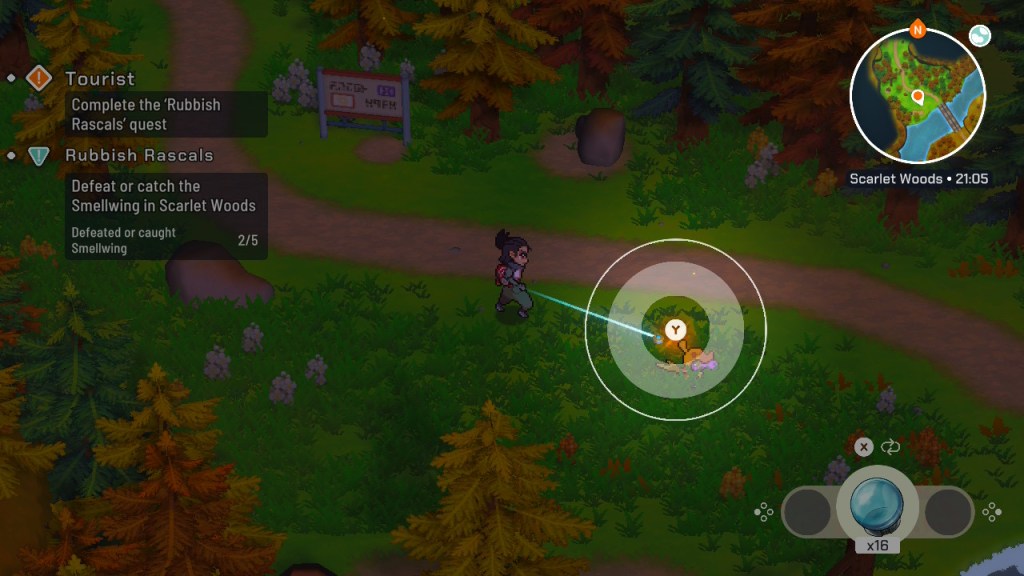
Naturally you’ll have to catch some more Animon to build a team capable of making it to the big leagues. Your “Holoken” has different modes that will help you in this endeavor. One mode allows you to catch an Animon outright; this involves a mini game where you must quickly press the right buttons.
Personally, I found it extremely difficult and wish they had accessibility options for this. I had trouble with both the aiming of the Holoken and the mini game.
The Holoken’s other mode was the one I used exclusively due to my inability to complete the catching mini game. When you hit an Animon on the field with your Holoken it weakens them before you enter battle to catch them (or if they’re much weaker than you it will automatically defeat them).
They say that the weather and time of day affect the Animon that appear. I liked how the map for each area displayed the Animon you’ve already caught in the area as well as those you haven’t encountered or caught yet.
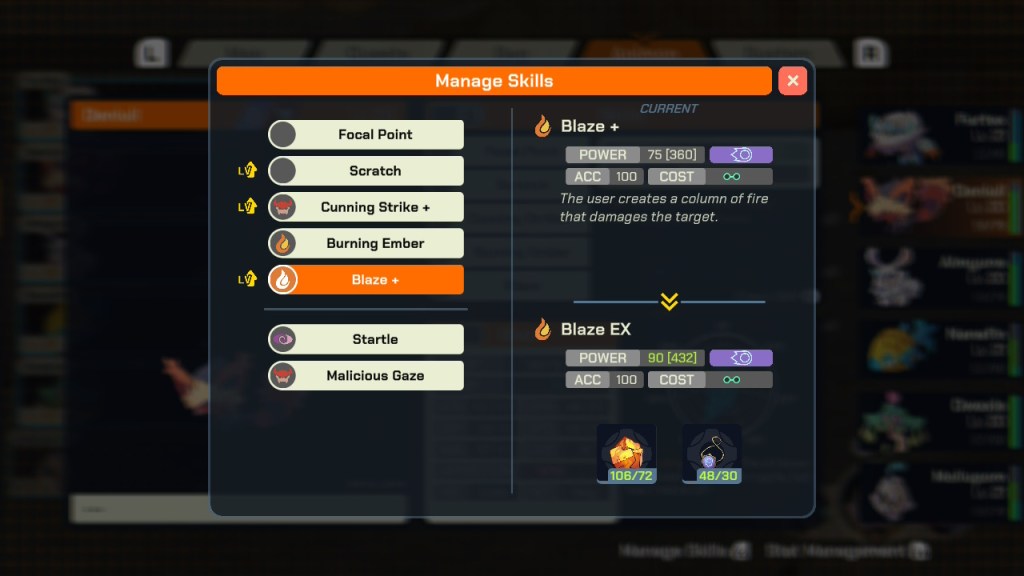
Each Animon gets to equip 5 skills to use in battle, and you can manage their abilities outside of battle. I didn’t realize this for quite a while, but when you click on info you can swap out their skills and power them up using certain materials.
The info menu also has you manually distribute your Animons’ stat points each time they level up. It can be inconvenient to remember to do that, but it’s nice to customize their builds.
The game tells you when an Animon learns a new skill or is ready to evolve (they don’t evolve automatically). I really appreciated the Animon who learned skills that heal not only themselves but the other Animon in the party. I did wish there were more multi-target abilities though.
Other players can help you build your team using the online features, which require a Nintendo Switch Online subscription. I was pleasantly surprised that this game offered such a strong online experience!

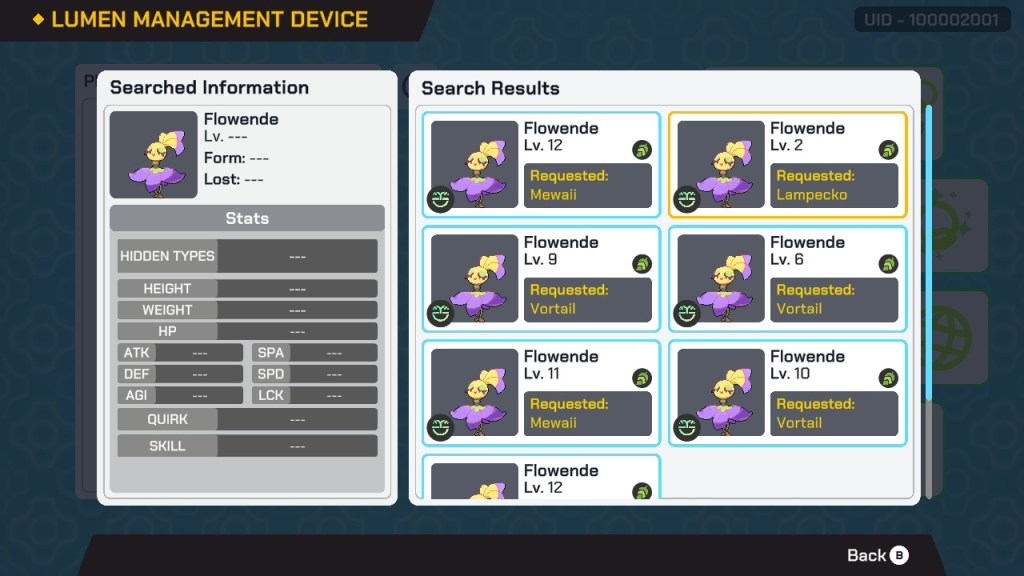
There are options for playing a quick match, ranked match, or a tournament. The trading options include regular trades, mystery trades, and the “Animon Trade Station,” which allows players to offer an Animon and request a specific one in exchange. The ATS’ request function is pretty extensive, as you can request an Animon based on its form, hidden type, quirk, level, stats, and more!
Whether you’ve done it yourself or gotten some help, once you’ve built your team of 6 to your liking, the battles, which are turn-based, should get easier. (There are 3 difficulty level options.)
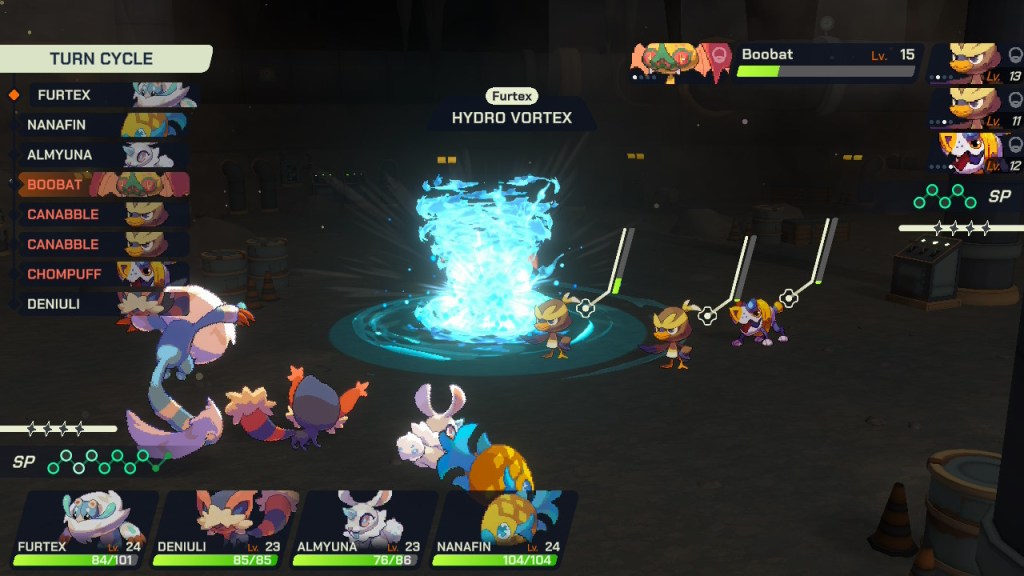
Unusually, you can have 4 Animon in battle at a time, and the same is allowed for other Lumen and wild encounters. I liked this because 4-on-4 battles makes strategizing a lot more interesting. (This format also has its downsides, as there isn’t an option to skip the battle animations.)
Instead of using PP or MP, Animon use SP when they use an ability. They each have an SP value, and when you have multiple Animon in battle they pool their SP together. If one of your Animon is defeated their SP is then subtracted from the pool, and your party has less SP to use unless you have another Animon to swap in.
You have to consider how to maximize the amount of moves you can make in a turn so that each Animon can use a move. Thankfully your pool of SP is fully restored every turn, so you don’t have to worry about conserving SP between battles.
Animon have traits you can choose to activate and spend additional SP to strengthen a move. Examples include healing allies after attacking, using some of its HP to deal extra damage, etc. Enemies can apparently use this mechanic as well. Different weather conditions may also increase the required SP usage. If you run out of SP from regular use or from activating traits you can have an Animon skip their turn and gain 1 SP back, which I liked.
For some reason Trey is capable of scanning Animon for information on their strengths, weaknesses, and stats. (I did find it slightly odd that catching an Animon doesn’t unlock all their information.) Once you’ve scanned an Animon 3 times you’ll unlock all of that information, and from then on when selecting a move the game displays your opponents’ resistance (or lack thereof) to that move.
Attacking an enemy with something they’re weak against generates 1 TP towards using a TP Action, which allows you to choose which Animon you want to act again right away when the mechanic activates.
Your opponents also benefit from TP Actions, which I can appreciate because in most games you’re the only “special one” who can use something like this. That being said, I got a little annoyed that bosses only needed 2 TP compared to my 4. (They already have the advantage of multiple health bars! 😭 😂)
Apparently you earn more experience battling other Lumens compared to the wild Animon you encounter, but it doesn’t seem like there are many Lumen to battle in the game besides the ones required for the main storyline? (That may be why it felt difficult to earn money in the beginning.)
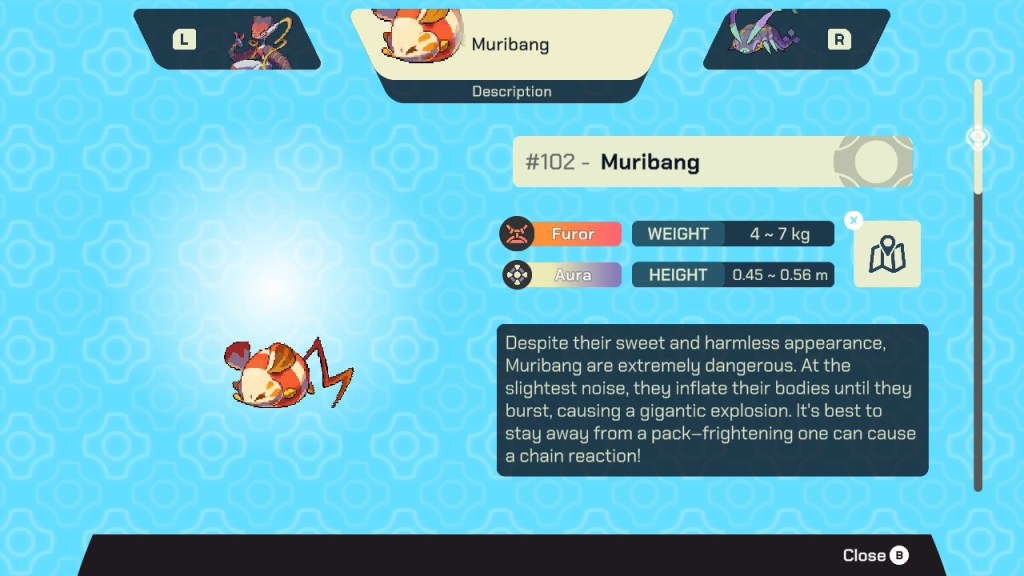
Even on normal mode I wasn’t defeated very often, but one thing that really irritated me was this little red mouse Animon (Muribang) who would explode in the field when I came near it/it chased me and got too close. It damages your entire party, and if there are a lot of them in one area they can wipe you out pretty quickly and send you back to the last healing point. No other Animon does this, and it felt incredibly unnecessary.
If an Animon is defeated through normal methods, a timer starts and they’ll revive on their own once time’s up instead of forcing you to use a rare revival item. (Alternatively, you can find a fountain out in the field, which heals your party and lets you craft there.)
The areas in between towns and the dungeon maps felt fairly long to me, so it was nice to have fountains here and there. These maps weren’t too bad at first, as the puzzles were simpler in the beginning.
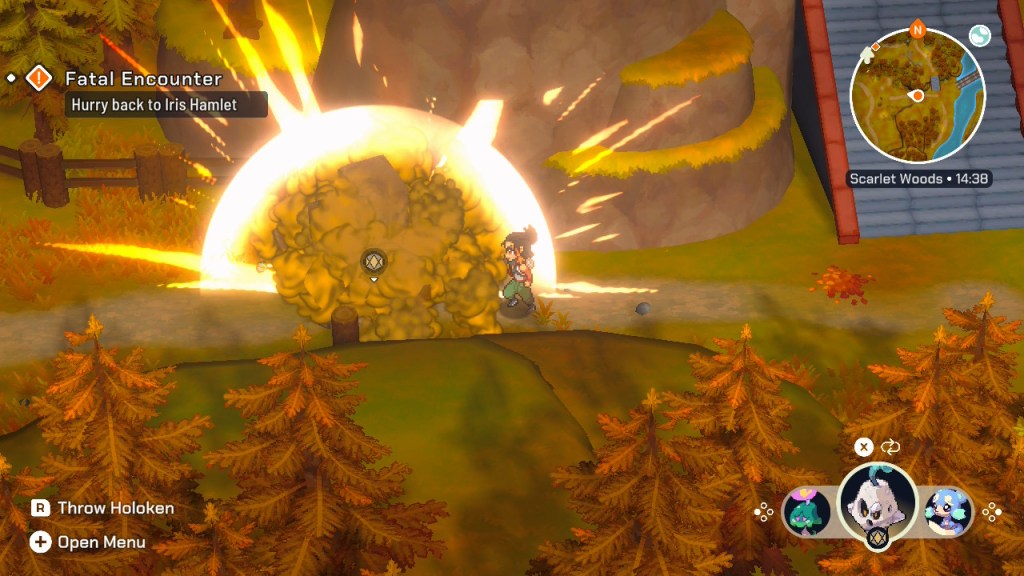
Trey unlocks elemental abilities as you progress through the game, which can then be used to remove obstacles in the environment or to activate something. The first one you learn lets you destroy rocks that are in the way.
Unfortunately, you do have to have an Animon for that element in your party to use the abilities through your Holoken. On the bright side, you can access your Animon boxes anywhere, so you can quickly swap them in and out of your party. Still, it may have been more convenient for Trey to use the abilities himself.
It’s when the puzzles get more convoluted – and less intuitive – that I started having problems with the exploration aspect of the game. The Speranova section is one of my least favorites in this regard. I almost gave up several times because of the puzzles and exploration in the later parts of the game (including the final dungeon).
Exploration could definitely be frustrating, but the fast travel nodes at Lumen Club locations on the map make it less of a hassle. (I did not figure this out until I was almost done with the game.) Despite my issues, I still found the number of areas (and their length) incredibly impressive – especially for an indie game!
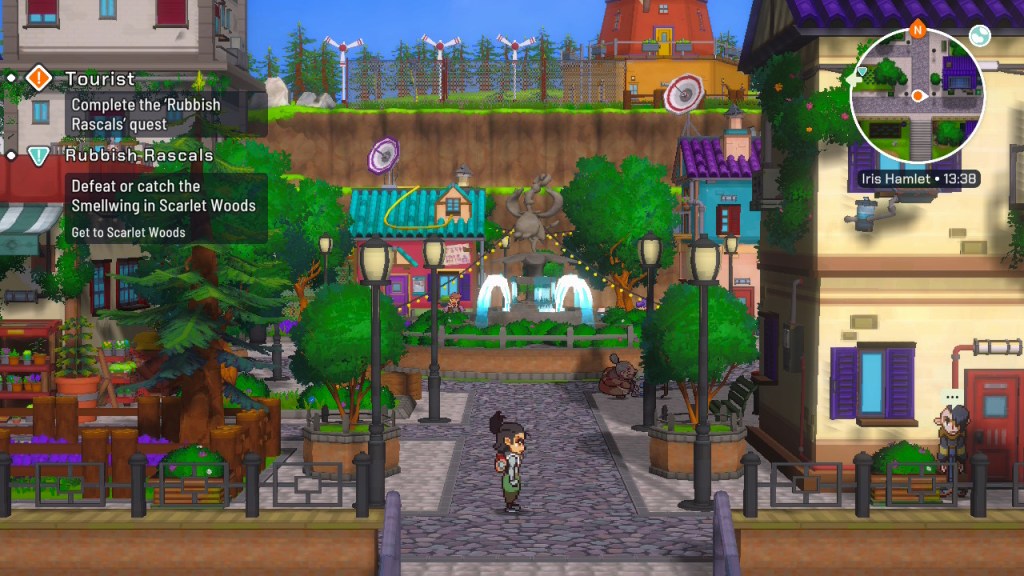
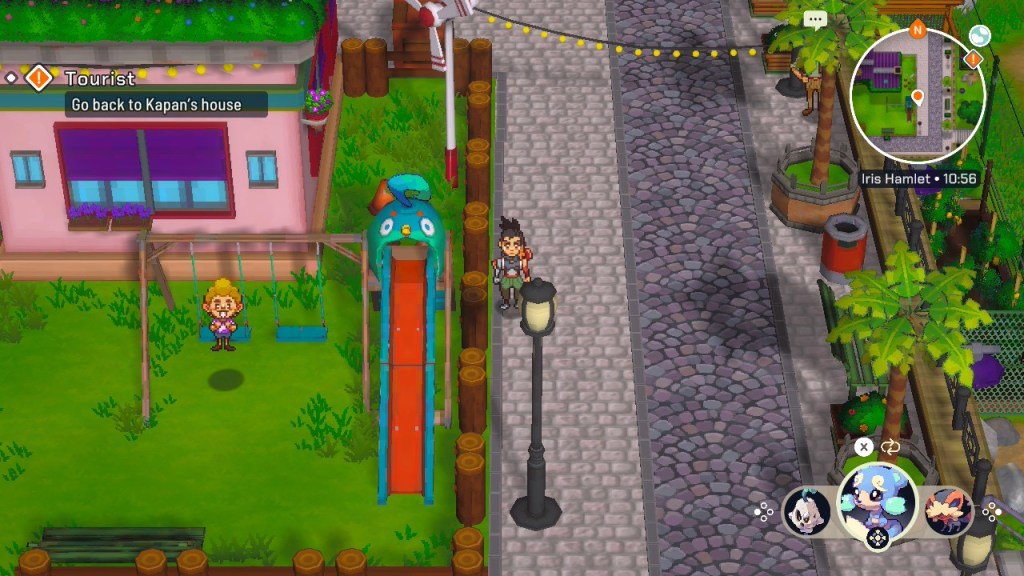
The town designs are absolutely fantastic in this game, and I really enjoyed exploring them. Even the smaller towns like Iris Hamlet seem larger than life with the 2.5D graphics. There are so many fun, subtle details like a slide on the playground designed to look like the starter Animon Queccha.
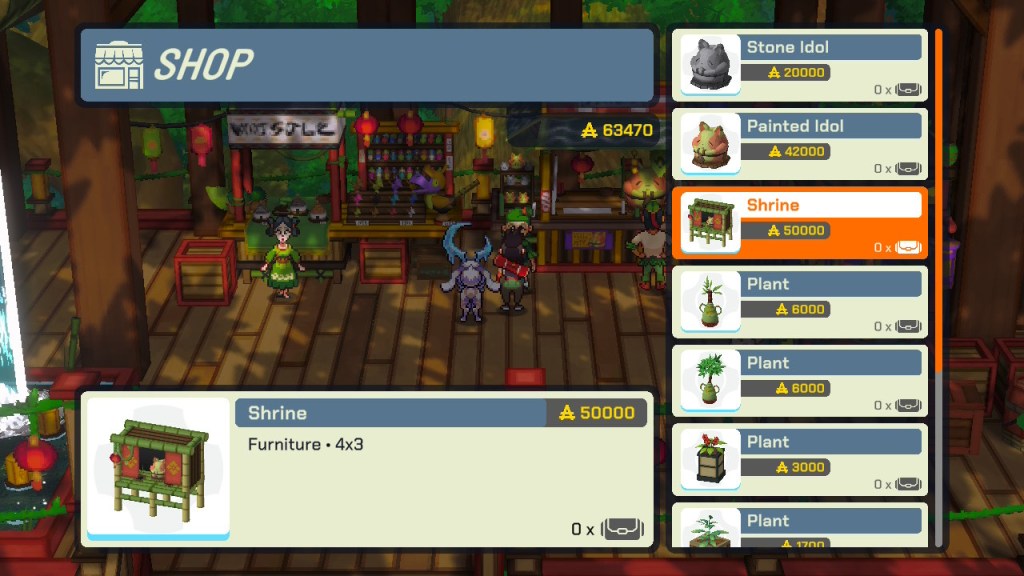
You can purchase items like Potions and “Bilia” (=Poké Balls) in towns, plus items and recipes that are used in crafting. While you can find some in the purple sparkles in the field, people also sell the furniture you can place in your “AniSpace,” which is where your Animon are stored.
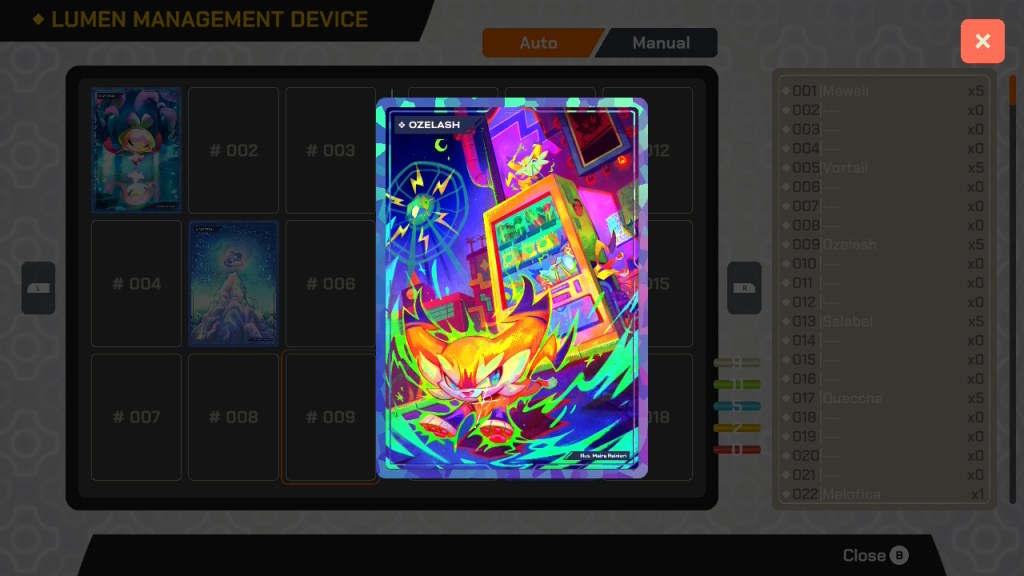
I thought the furniture prices were way too high, so I didn’t really buy any even though I wanted to. It’s a shame because I really liked the look of the furniture they had to offer in each town. The card packs for the game’s TCG, however, were much more affordable, and had lovely designs as well.
There are also NPCs in town who offer side quests to complete in between story quests. LumenTale has a lot of content, and while I was frequently frustrated with certain aspects of the game, what kept me going was the characters and my interest in where the story was going.
Over the course of the game Trey travels across the land and battles in matches to earn points for the purpose of fighting in the big tournament. He slowly regains fragments of memories as he tries to become a stronger Lumen and helps people along the way.
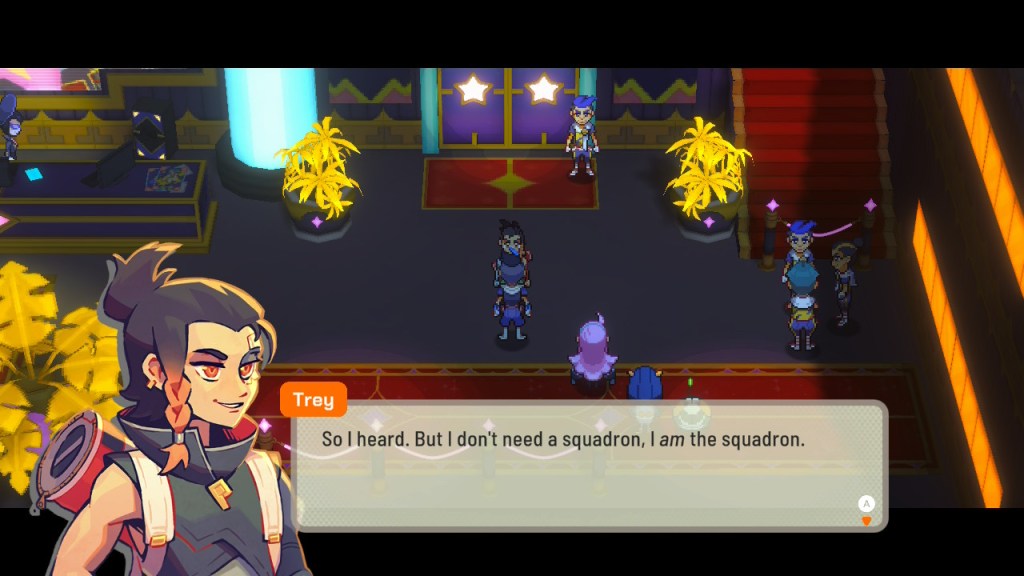
You start Trey’s journey with Ales as his only companion, but gain another as you continue to play the game. I really enjoyed the banter between the characters, and Trey often gets this hilarious facial expression that just screams “I’m so done.”
At certain points in the story you’re prompted to make important decisions that are said to affect the ending you get. I seem to have obtained the good ending, but I wasn’t really satisfied with aspects of the story that went unexplained or unresolved.
LumenTale: Memories of Trey is certainly not without its flaws. There are some technical problems such as the occasional crash or the frame rate dropping, although for the most part it was stable.
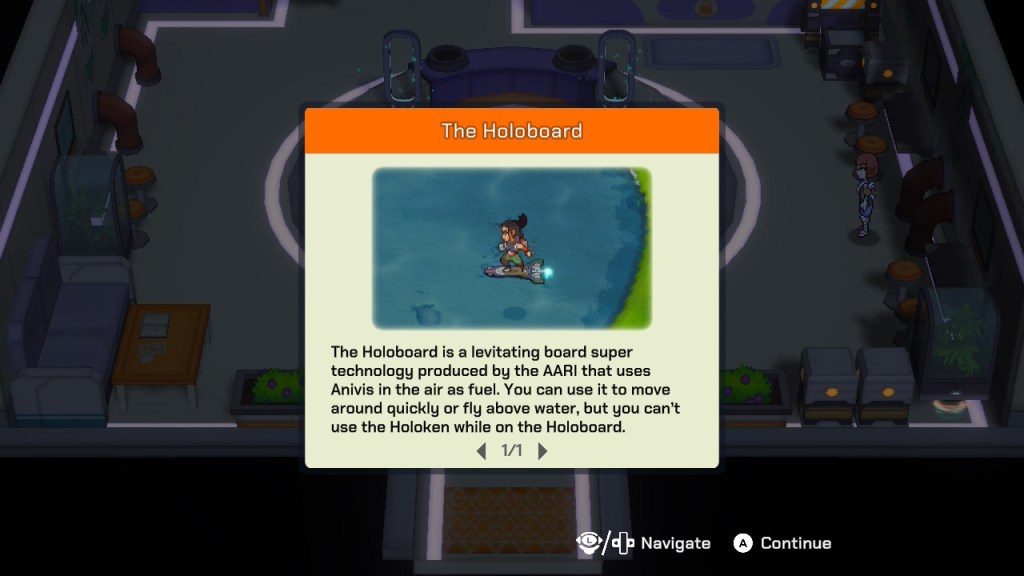
They don’t explain certain things; for example, they don’t tell you how to use the Holoboard in its tutorial message (late in the game I figured it out by accident – press the left joystick). The puzzles and length of dungeons may be off-putting to some, as well as the lack of accessibility features.
Additionally, some game design elements like the exploding mouse and the Animon who nullifies any damage but fire felt gimmicky instead of making a meaningful contribution to the game.
However, the game definitely has its strengths as well. The online gameplay has a lot of depth to it, as does the battle system. I really appreciated everything from the different mechanics to the neat animated backgrounds during battles, which change based on your location.
My favorite battle background was probably the gondola lifts moving in the air with snow falling – and they light up at night! The tournament matches also felt very immersive with the sounds of the crowd cheering.
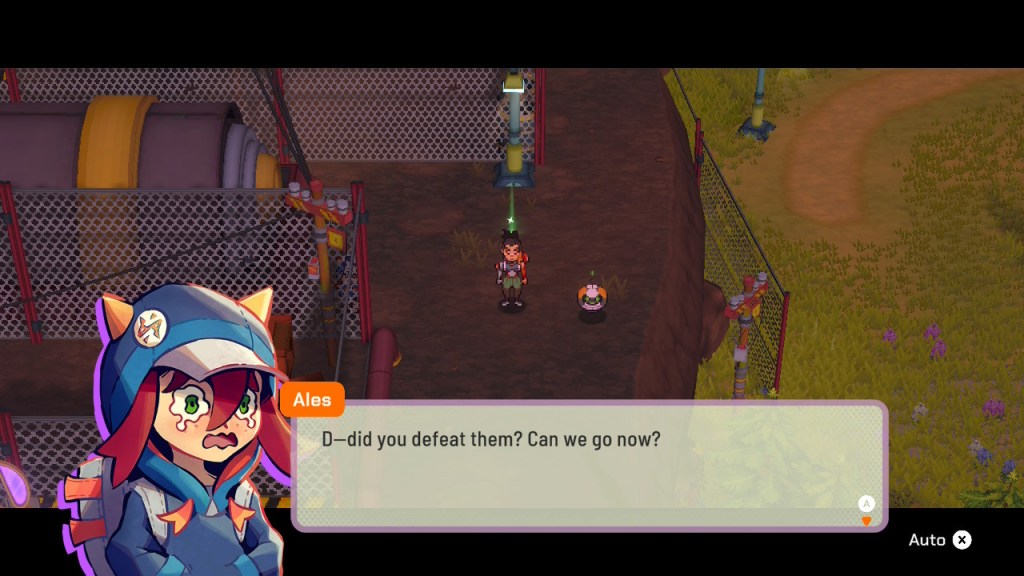
I really liked the designs for both the characters and the Animon. The character portraits change their expressions and stances depending on the mood of the scene. The Animon designs never seemed overly derivative to me. They don’t have portraits that change like our characters, but you may find “lost” (shiny) Animon that are different colors!
I also liked the city designs, which were nice to look at both while wandering around and during the game’s awesome cutscenes. As far as the art direction is concerned I think they did a fantastic job, as the soundtrack was energetic and charming as well.
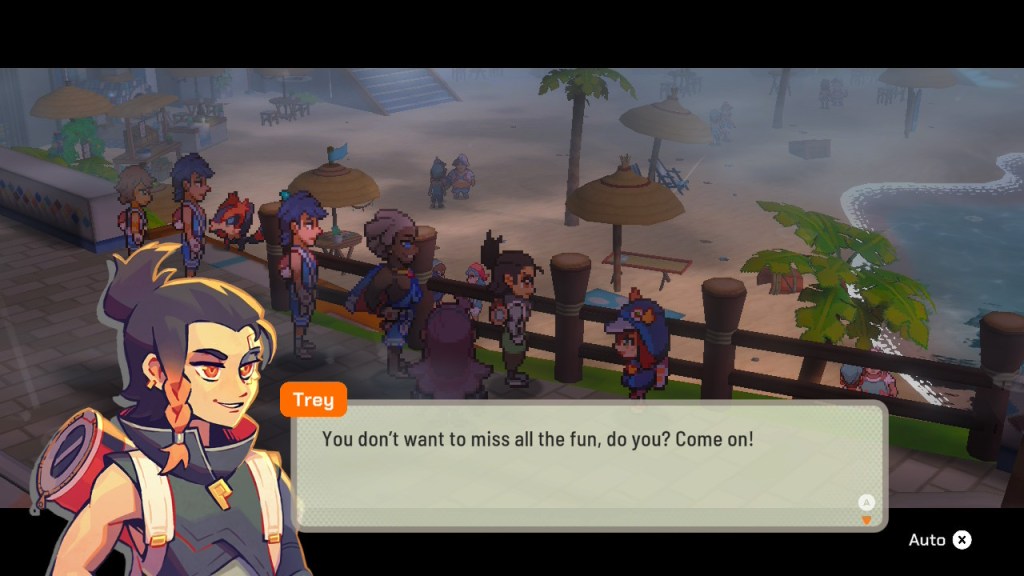
It took me roughly 50 hours to complete the game, and that was with me exploring as much as possible in the first half and not as much in the second. I think you could spend even more time on it if you try to catch every Animon. If you can handle a little frustration and enjoy monster collecting games with more complexity, this might be the game for you.


Leave a Reply