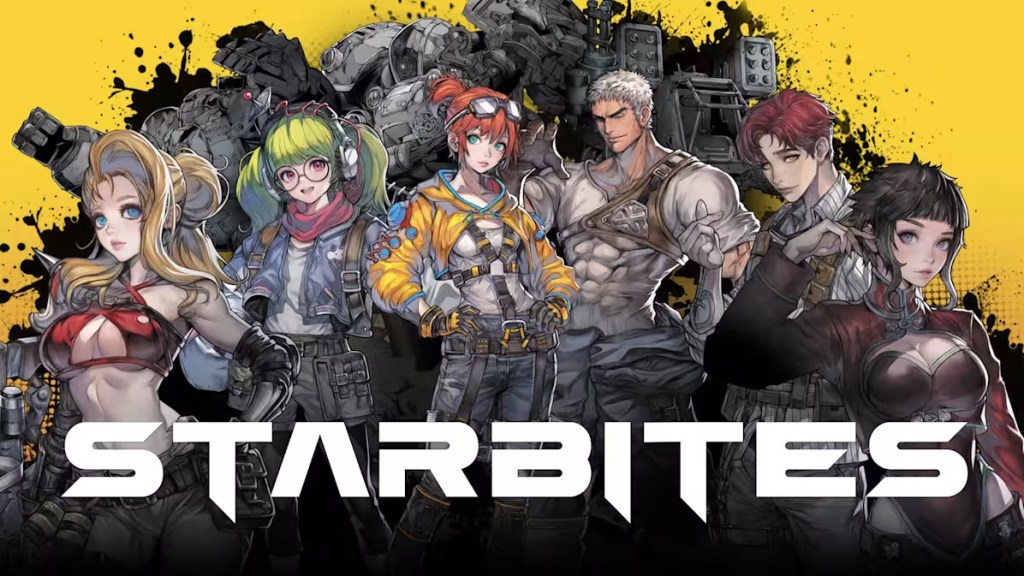
- Price: $49.99 USD (digital & physical)
- Physical limited edition available for $89.99; bonus items are pretty cool!
- Developer: IKINAGAMES
- Publisher: NIS America
- Release Date: May 21, 2026
A review code was kindly provided by NIS America on behalf of IKINAGAMES. We thank them for allowing us to cover something they’ve worked so hard on.
Rated T; Content warnings: generational debt/indentured servitude, kidnapping, alcoholism, aftermath of war
STARBITES caught my attention with its character designs and an interesting concept for its story. The story goes that nearly 50 years ago the galaxy was at war, with seemingly no end in sight. But suddenly all of the spaceships crash landed onto the planet Bitter, ending the war and littering the planet’s surface with wreckage.
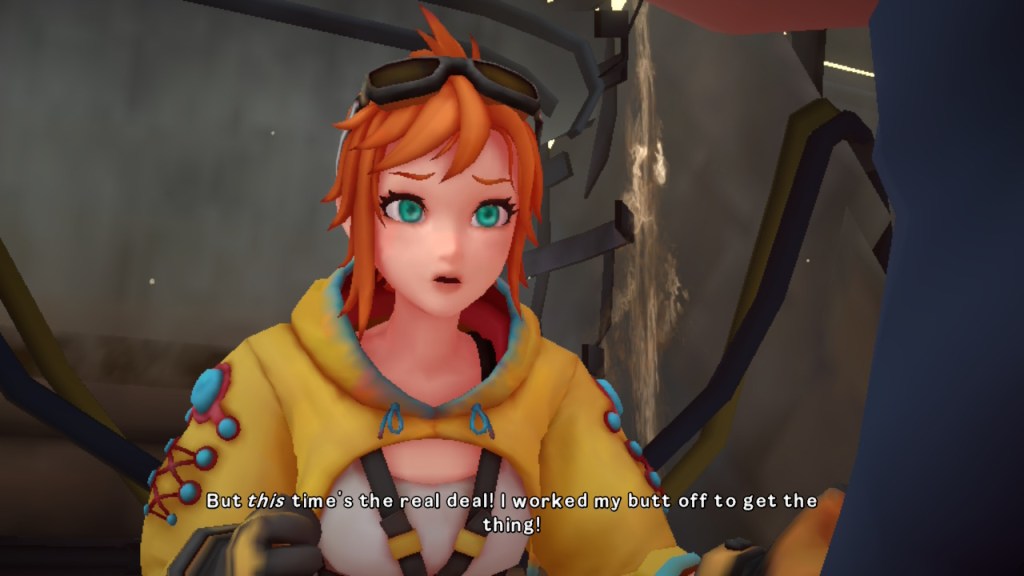
Fast forward a few decades and our main character Lukida, a young woman who works as a salvager, feels pretty “sour” about living on Bitter (😂) and wants to leave the sandy planet behind. However, she’s inherited a large amount of debt from parents she’s never met, and can’t escape the watchful gaze of Fennec, her creditor and the unofficial ruler of Bitter.
Lukida isn’t one to give up though, and has tried finding ways to get away several times over the years as she’s grown up with this debt hanging over her head. She has made the best of a bad situation over the years by befriending Badger, a stoic engineer, and Gwendoll, an alcoholic bounty hunter. But Lukida wants to take them with her when – not if – she finally goes.
She runs into trouble on her way to meet her latest contact, and our journey begins with Lukida trying to get that opportunity back. As a salvager she often leaves the safety of the city of Delight to go on salvage runs (and do other odd jobs for Fennec) to earn money to put towards her debt.
Out in the field there are a bunch of rogue robots who come after you, so you’ll have to face them in turn-based mech battles. The game has 3 difficulty levels, which can be changed at any time in settings. I chose Normal difficulty, which wasn’t necessarily hard, but it wasn’t a cakewalk either.
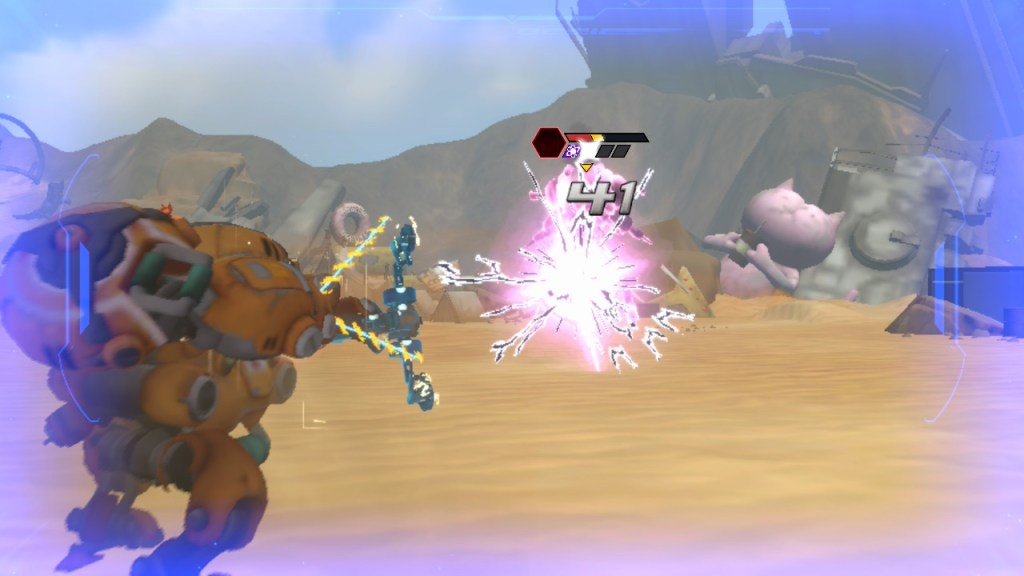
For each turn you choose between the standard JRPG options (attack, skill, guard, items). Characters’ skills require a certain amount of TP, and each basic attack and skill has their own attribute(s) that enemies are weak against. Common enemies will have their weaknesses displayed for you in the next battle after you use one of those abilities on them for the first time.
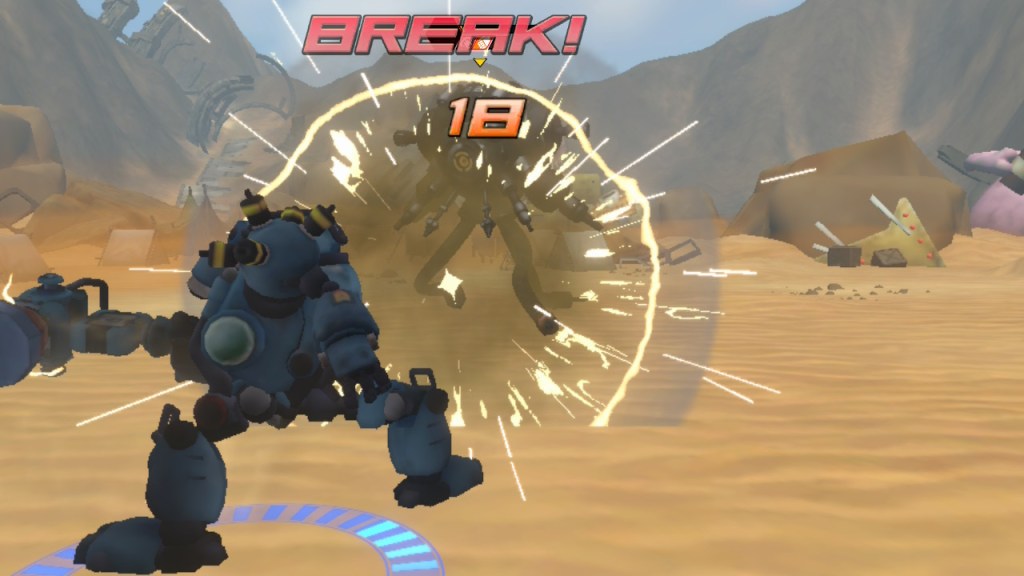
Some bosses change their weaknesses every once in a while to make things more interesting. In addition to their HP bars and weaknesses, enemies also display their Barrier Points, which are the number of times they need to be hit with something they’re weak against in order to reach “Breached” status. A Breached enemy can’t act for several turns and they take even more damage!
You can also use the DH Gauge to your advantage, which fills up as you and the enemy trade blows. Activate “Driver’s High” at the right moment to disrupt the turn order and act immediately before your enemy can do so. I wanted Driver’s High to be more of a multi-turn affair since I liked how it upgrades your skills by changing their attributes and adding new effects.
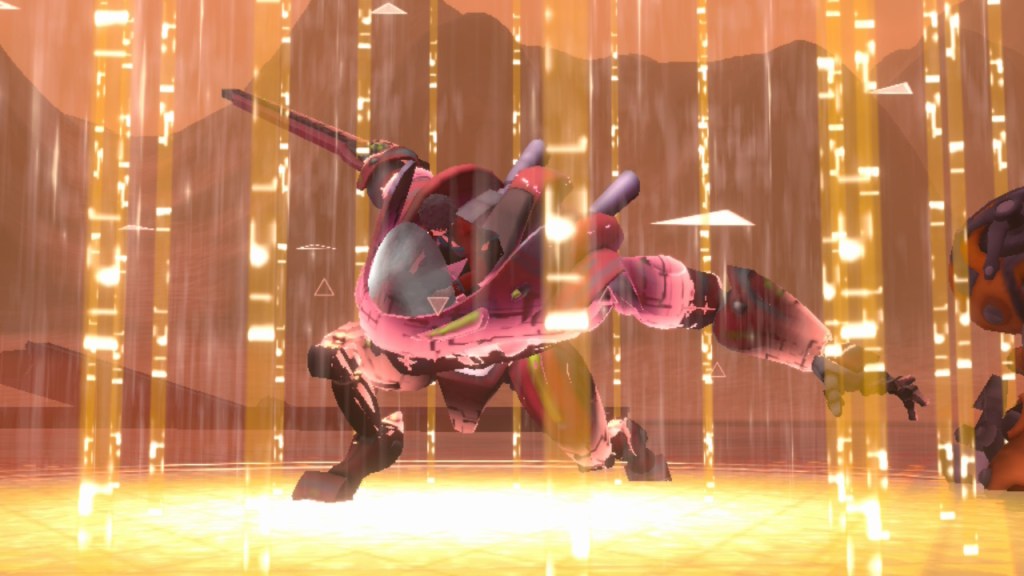
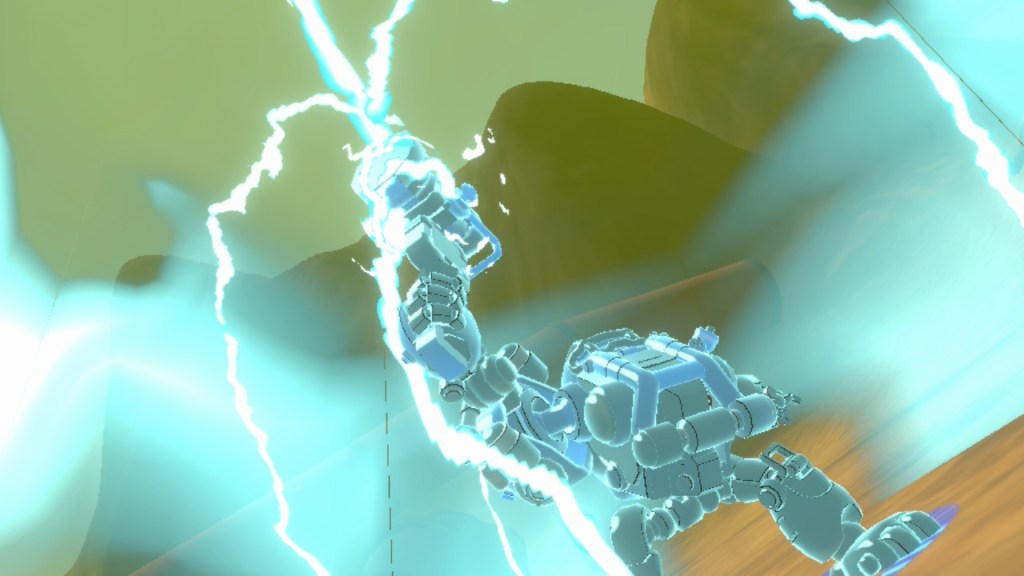
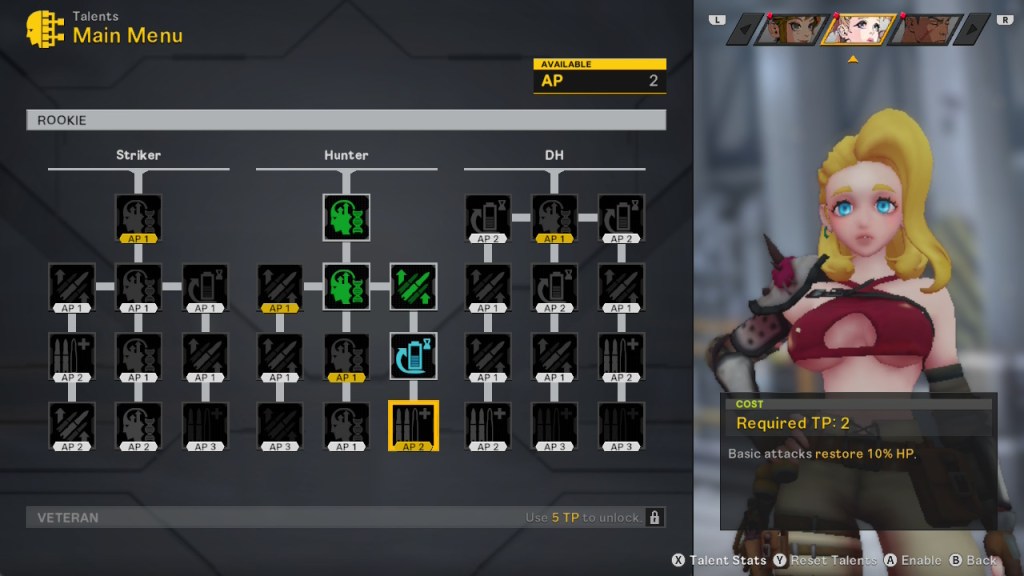
I liked the animations for the characters’ abilities (especially Lukida’s mech, which unusually wields a slingshot of all weapons). I will say that I was a little disappointed that each character only has 7 skills, but you can at least strengthen each one using a character’s Talent tree. When your party members level up they get Talent Points, which you can use to add new effects and attributes to an ability.
Being able to (mostly) control who’s in our battle party is appreciated; as the main character Lukida is apparently locked in, but other than that you can decide who you want the other 2 battle participants to be. Eventually you’ll end up with 6 characters to choose from, with half in the battle party and the other half as support members.
It’s cool that the support members still earn experience (even if it’s only 50%). I wanted the ability to switch out characters in battle. But support characters at least prove useful when they attack an enemy after the frontline character they’re assigned to Breaks an enemy.
I had a couple of issues with the exploration aspects of the game. For one thing, it could be pretty difficult to avoid running into enemies on the overworld. I didn’t want to flee all the time, but when I did the escape option rarely worked because of the low percentages (30-50%).
They eventually grant you the Power Booster ability later on, which allows you to instantly defeat enemies who are at least 10 levels less than Lukida when you run into them. I really liked this ability once I remembered to turn it on, but unfortunately I think it unlocked way too late in the game.
You can toggle the dashing option to travel a little faster in your mech, but it still felt kind of slow to me. I found it rather clunky and somewhat hard to steer. Thankfully there are a few fast travel nodes, which shortens travel between populated areas considerably (when you aren’t working on side quests).
I would have liked the maps for each area to have been much more detailed, as we only really get a more zoomed out look at the world map. On the plus side, they do provide us with arrows that point us in the direction of our destinations for both the main and side quests.
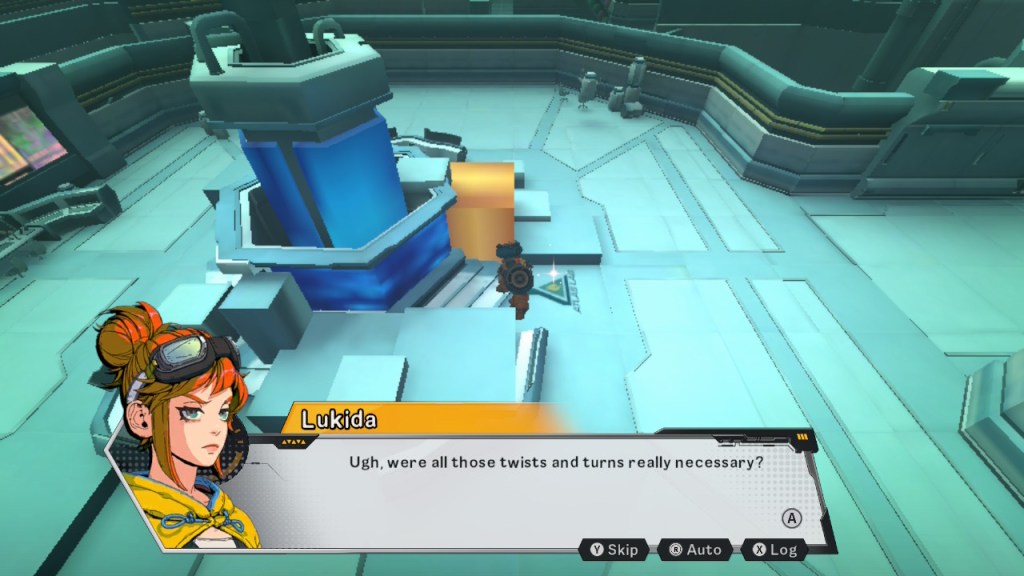
Act 3 had some of my least favorite moments of the game as far as both the exploration and battles were concerned. I thought that the Terminal dungeon was so convoluted and difficult to navigate (especially without a detailed map).
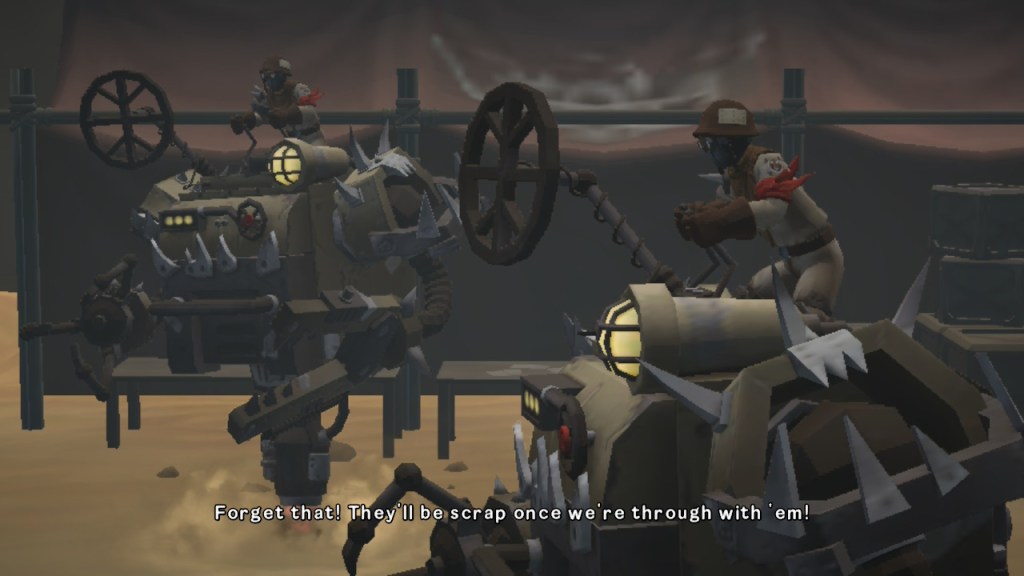
Then there was a boss who kept annihilating my party because I was slow on the uptake and didn’t understand what triggered that destructive move. (I had to get some help from Japanese sources.) I was a bit disappointed with what felt like a lack of enemy variety. Most of the regular enemies (at least earlier on) were just grey mechs that weren’t terribly memorable, and they reused some bosses.
If you’re defeated it’s game over, and you’re sent to the title screen; a retry option would have been nice to have. Manual save points are only available at charging stations and rest points scattered across Bitter, but there is also an auto save that kicks in.
While I thought there were areas where they could have improved the battle and exploration aspects of the game, I don’t think they’re bad. The combat system seems to be more on the simple side, but there are enough elements to keep it from being a snooze fest.
When you return to civilization (or at least its equivalent on Bitter) you can shop for mech upgrades and check for new side quests. Each party member has a set weapon type that can’t be changed, and then you can swap out different sections of their armor’s frame.
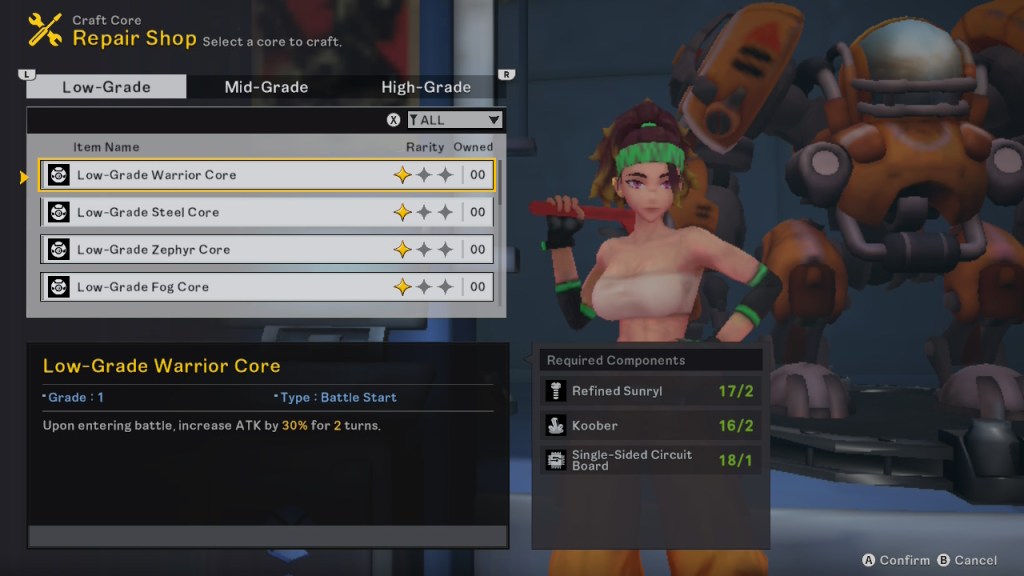
You can equip new engines as well, which have slots where you can equip several “cores” with special effects depending on the number of slots available. While you can purchase frames, it seems like you can only craft cores using items you’ve found while exploring. You have to combine the same items several times to create the highest level cores, which require a lot of resources.
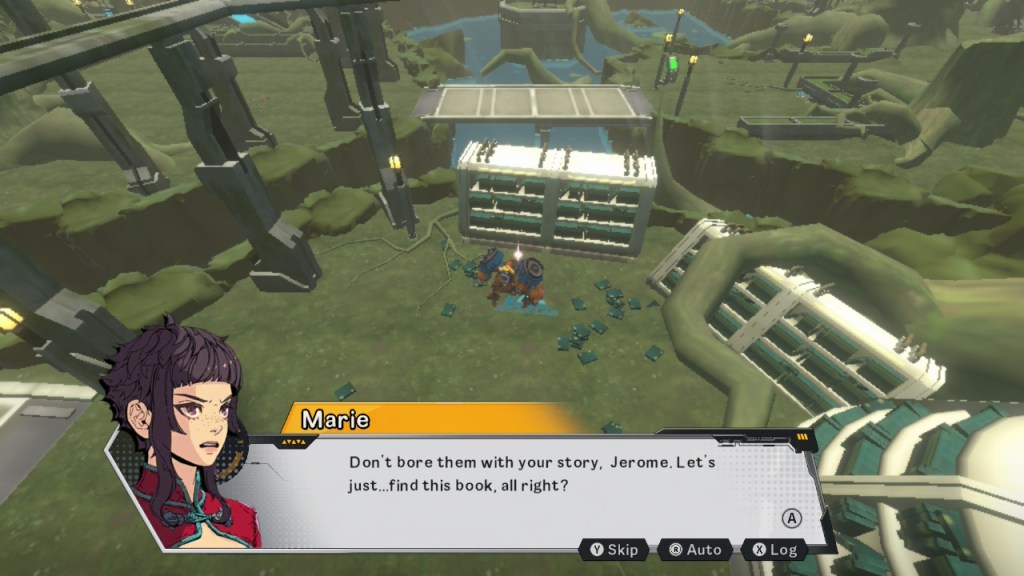
It’s possible to acquire new parts by completing side quests, which are worth doing not just for the rewards, but also for the additional information about Bitter and the war. By the end of the game I don’t think we have enough information about a few characters, and I was a little confused about some of the plot points.
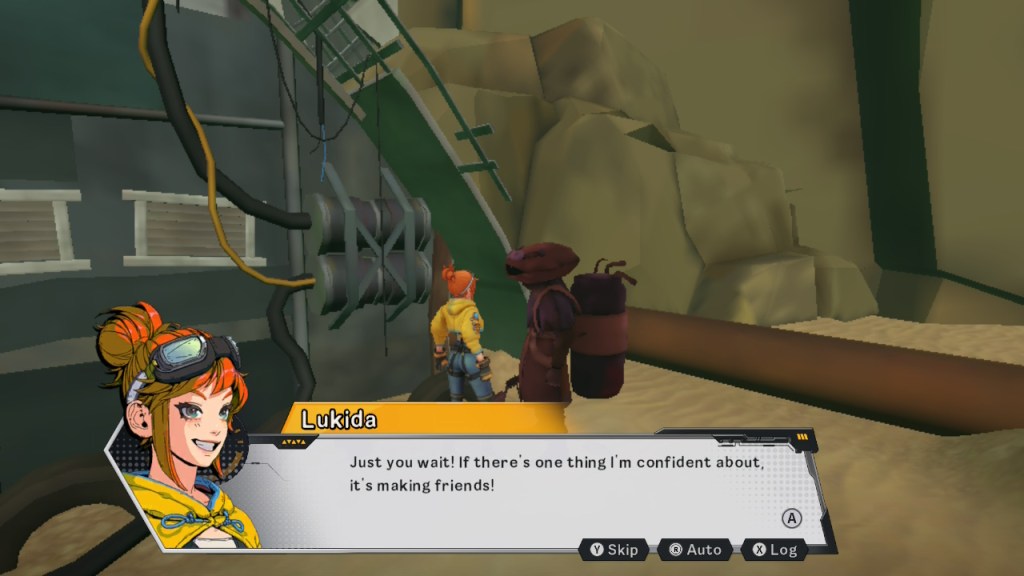
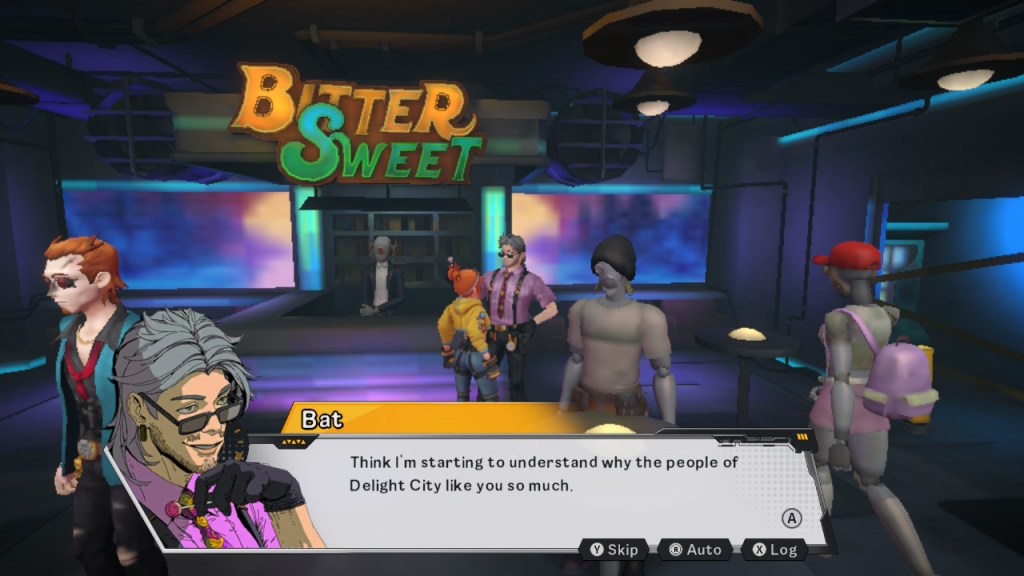
However, I liked Lukida and her friends enough to want to find out more about them in the hinted-at sequel. Both the characters and the graphics are rough around the edges yet charming, and I was definitely reminded of older JRPGs (in a good way) without it feeling overly derivative.
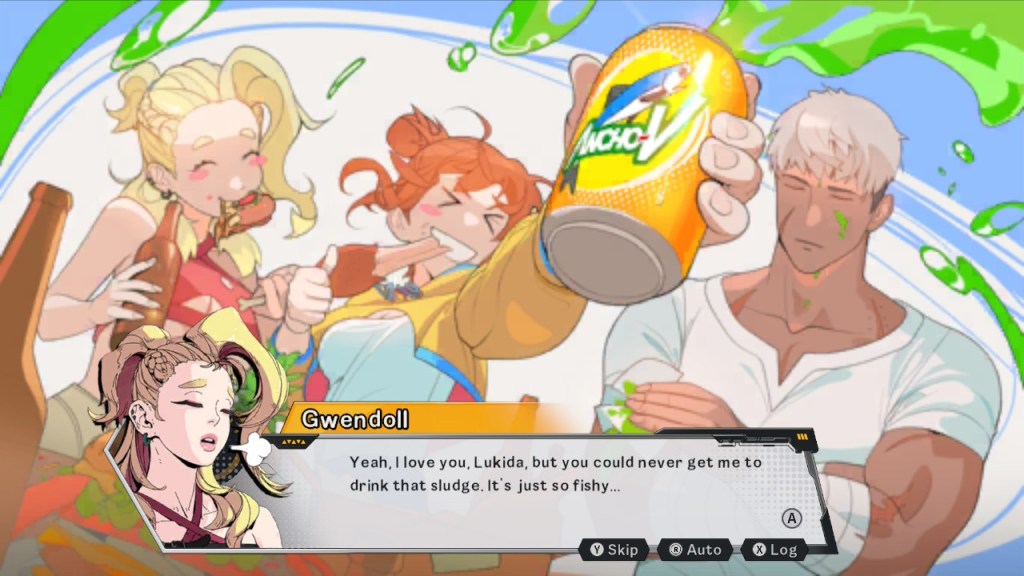
They included the occasional CG in some scenes, which was unexpected but a pleasant surprise. The art style for the character portraits appealed to me, and I liked a lot of the background details like the decrepit pre-war billboards in the sand dunes surrounding the city of Delight.
As far as the audio is concerned, there are neat little details like the way that the music shifts into another track when you take a few steps over to another part of the same floor in Delight. I thought the voice acting (available in English and Japanese) suited the characters well.
I remember a couple of times where the voice acting didn’t always completely match up with the text on the screen, or the clips were played out of order. That wasn’t a huge deal compared to some of the technical issues in the game. At least one quest (“Price of Information”) seemed to have a glitch, as I was unable to pick up the items required for the quest.
The game crashed every time I tried to fast travel to Dummy-Cat Haven starting in Act 4, and I seemed to have found a few ways to lock myself out of completing the game (thankfully I always make multiple saves). These issues appeared when I checked for new side quests at important moments in the main story.
For example, at the end of Act 4 I returned to a secret area in Delight to see if there were any side quests there before talking to Fennec, and I couldn’t leave. Then at the beginning of Act 5 I left Delight and fast traveled to Chronon 171 (again to see about side quests) and couldn’t go back the way I came to get to the main story quest area.
Those are some very specific issues that I wouldn’t expect most players to run into, though. I spent just over 30 hours on the game including the majority of the side quests and everything ran pretty smoothly for the most part.
STARBITES isn’t mind-blowing, but it does have areas where it shines. ✨ If you enjoy JRPGs that evoke a sense of nostalgia for their predecessors – in addition to mechs and post-apocalyptic settings with themes that remain relevant today – this could be worth checking out.


Leave a Reply