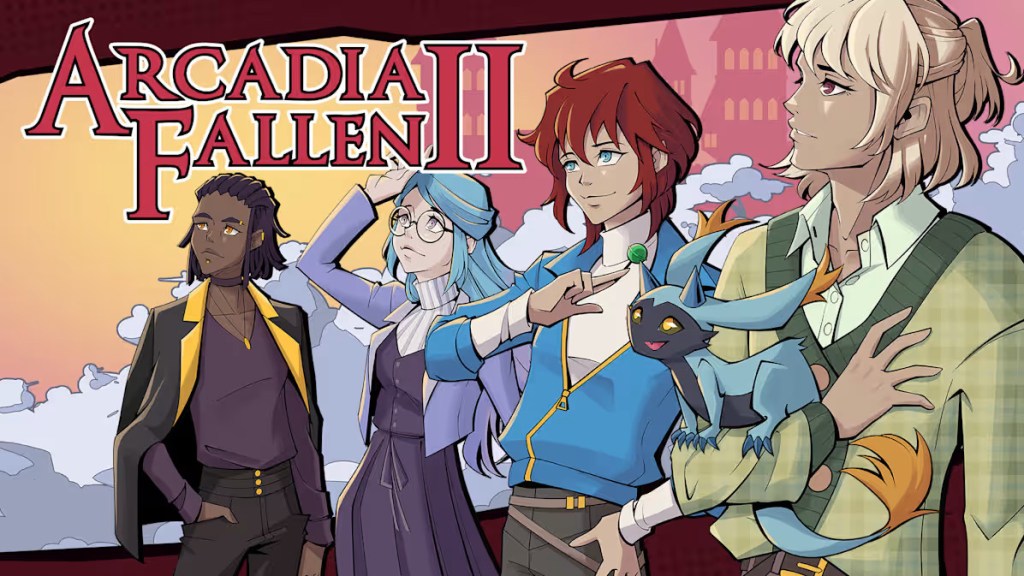
- Price: $29.95 USD
- Developer/Publisher: Galdra Studios
- Release Date: April 9, 2026
A review code was kindly provided by Galdra Studios. We thank them for allowing us to cover something they’ve worked so hard on.
Content warning: rated T. Mass murder (mentioned), corruption, oppression, abduction
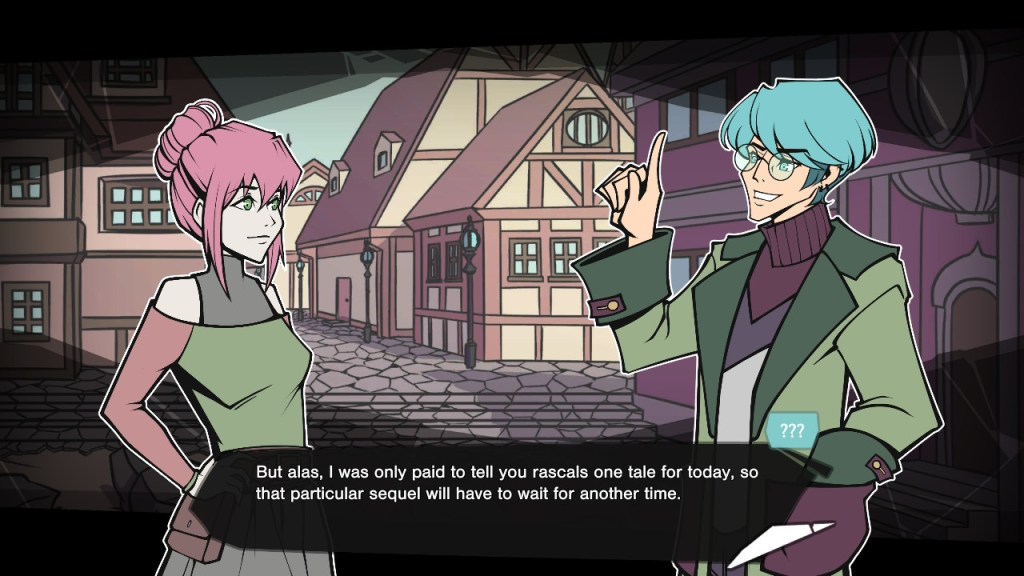
The Arcadia Fallen games are role-playing visual novels set in the oppressive Solagaar Empire, which strictly controls the use of magic to the extent that it decides a person’s career and living arrangements. The first game tells the story of an apprentice alchemist in a more remote part of the Empire. But in Arcadia Fallen II our character is a student at the mage academy, a place where they’ll be under much heavier scrutiny by those loyal to the Empire.
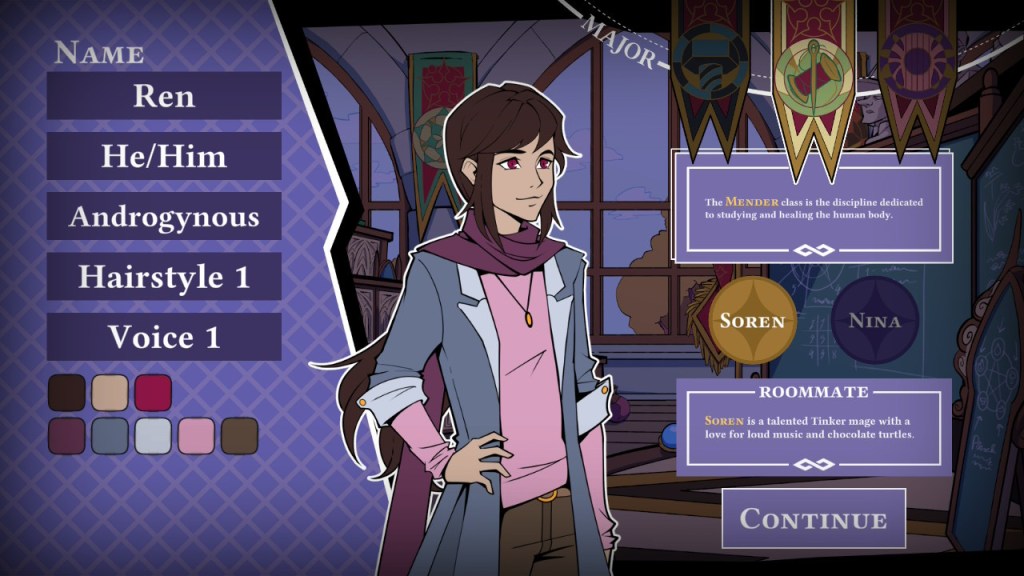
Similar to the first game, players get to customize their character’s appearance. You can choose between a masculine, feminine, or androgynous character, with 2 hairstyle options for each of them. We can change our hair color, eye color, and skin color. I probably would have liked more clothing options, but that isn’t a major issue.
You also get to choose your character’s “major” at the academy and your roommate. Ren is the default name, but you can rename your character and select a more masculine or feminine voice for their lines. They also give us the ability to choose the outcome of decisions made in the first game; you can skip this if you’d like, but having played the first game it was neat to have those events referenced in this one.
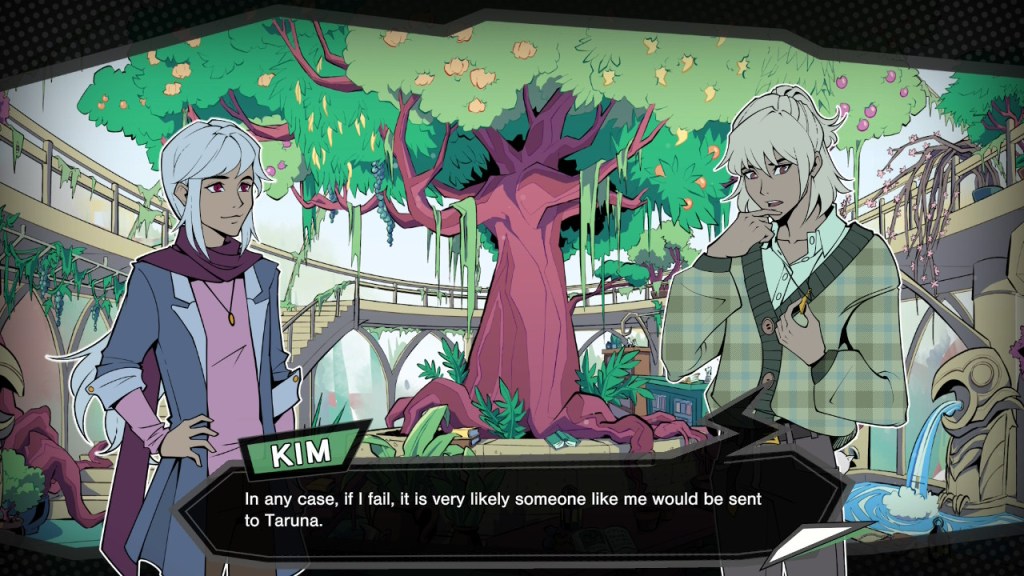
Once you’ve finished customizing your character, the story begins. This is your final year at the academy, and the student rankings determine whether you get a choice in your placement in the Empire after you graduate. You’ve managed to perform well enough to not reach “dropout” status and get “disappeared” by the Empire…so far…
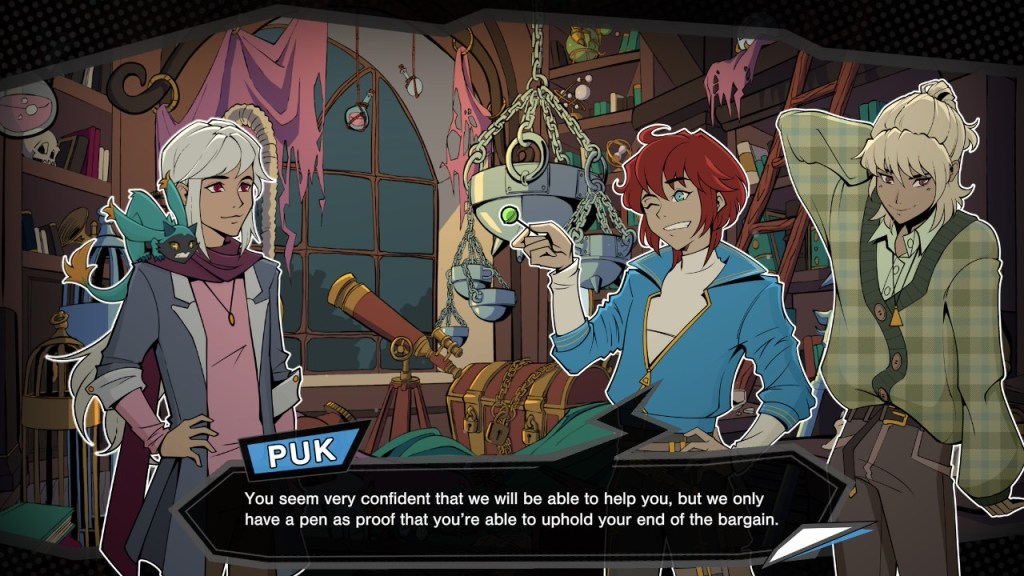
One day you and some classmates accidentally discover a tiny lizard/self-proclaimed dragon named Ragnar in a secret area of the school. He offers his assistance with traveling to different parts of the school undetected in exchange for your help with something. Initially some students are reluctant to risk getting in trouble, but the group then overhears an alarming conversation between faculty members that changes their minds.
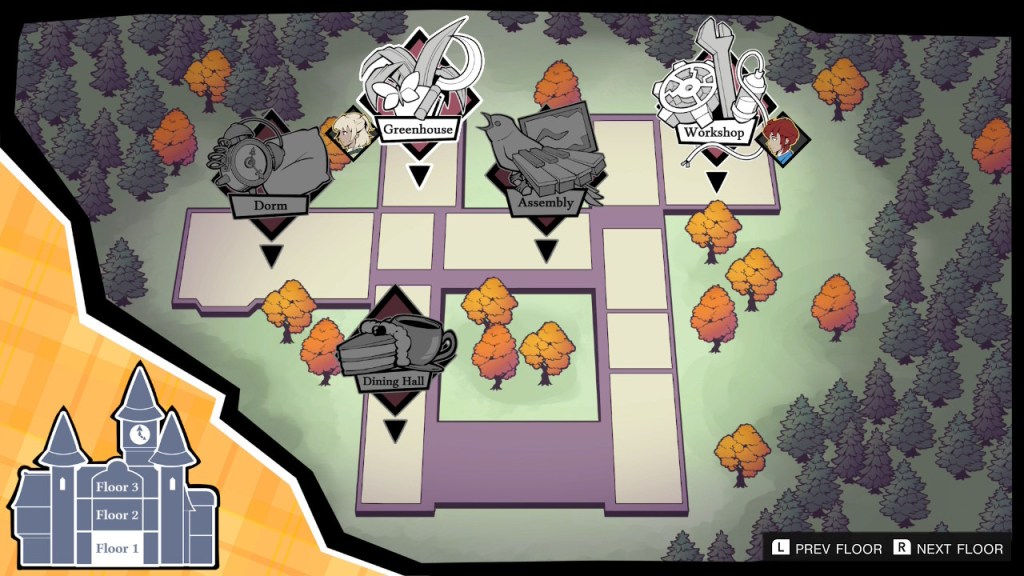
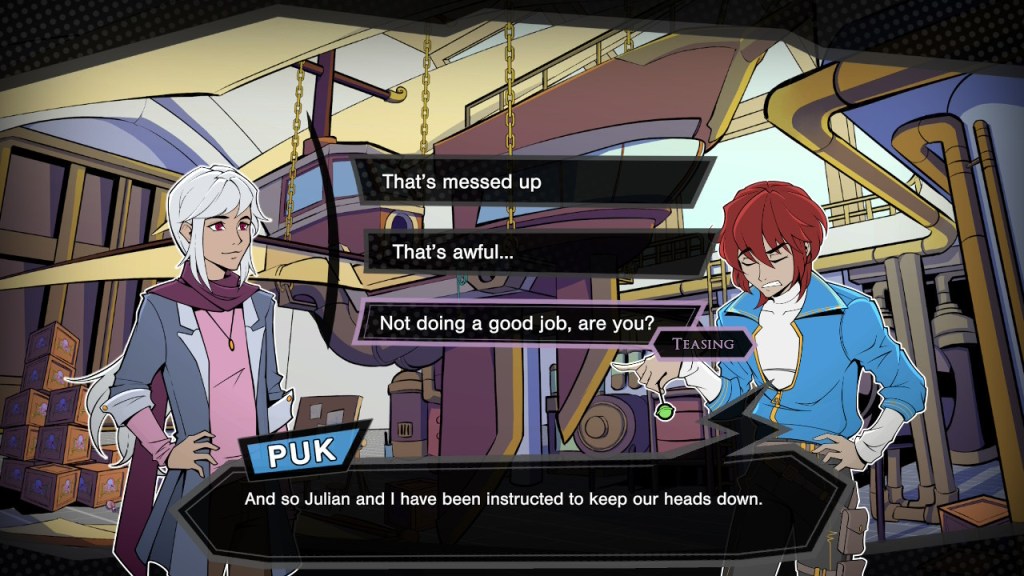
The conflict in the story starts with academic concerns, but it grows from there. You have to click on areas of the academy map to speak with the characters there, and make dialogue choices with different emotions associated with them. I enjoyed this dialogue system in the last game as well because it lets you have more control over the way your character develops.
Certain actions may become available in a scene depending on the academic track you’ve chosen. For example, selecting mending as your major allows you to heal someone if they’re injured in that scene.
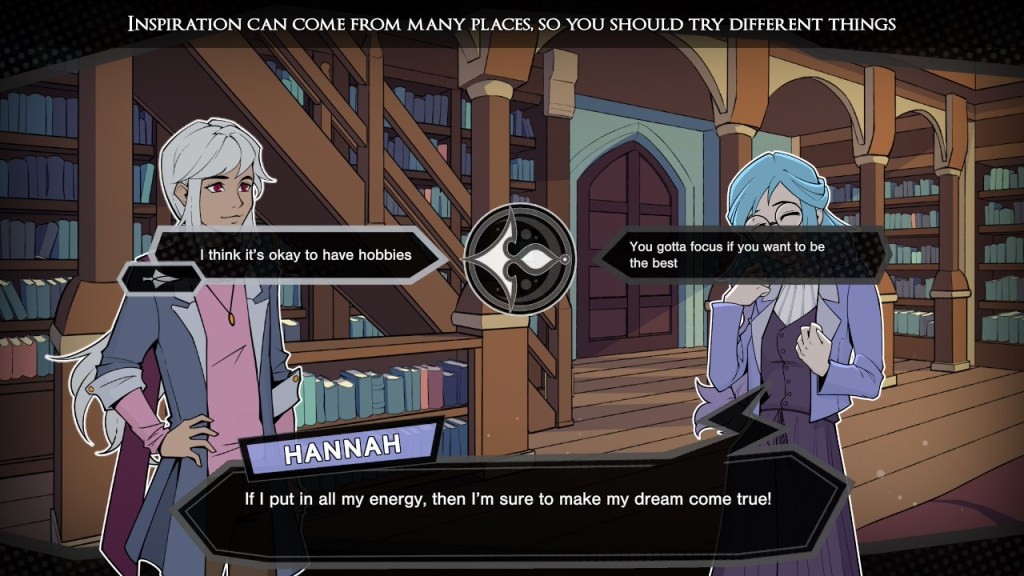
You also get to influence the way the other students in the group develop by selecting the kind of advice you want to give them. I believe this mechanic only affects subplots and not the main story, but again it’s a nice way to give players the ability to “choose their own adventure” to a certain extent.
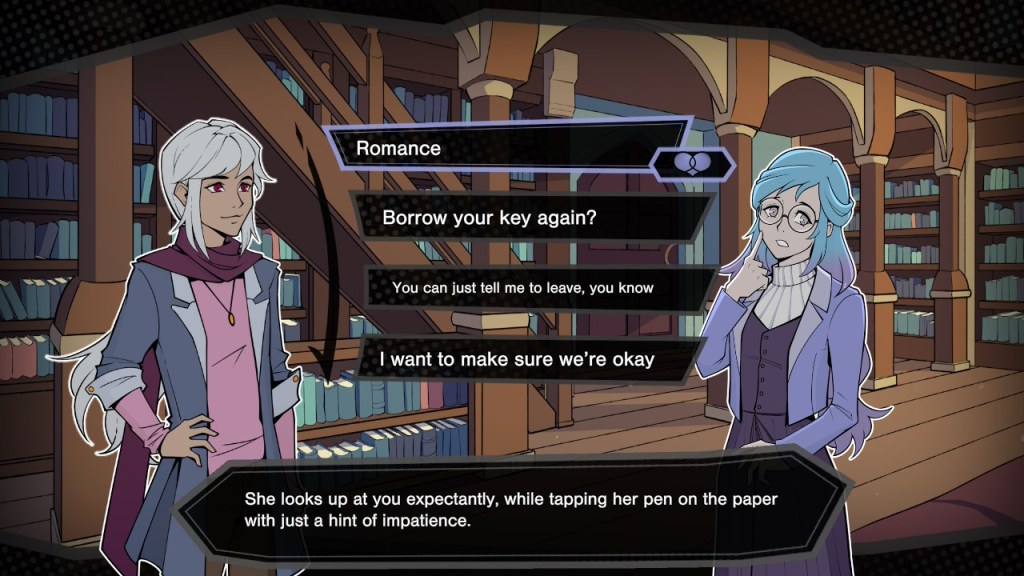
There are several dateable characters (regardless of gender), and sometimes when you speak to them there are extra dialogue options available under a romance menu. I really thought they improved on the romance in this game.
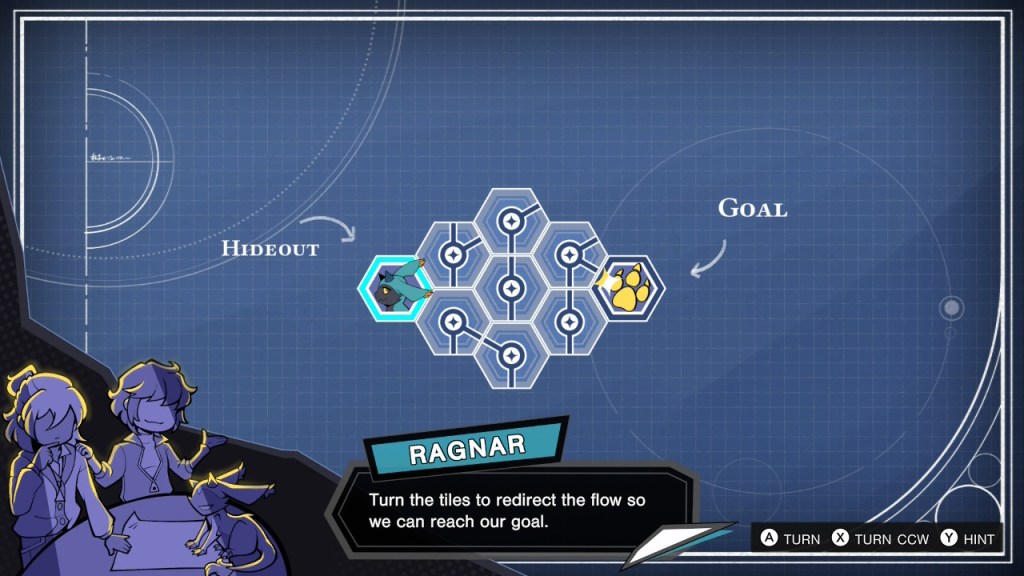
In each chapter you’ll learn more about the characters and the current political landscape in the Empire before going on secret excursions at night using Ragnar’s powers to travel somewhere in the school. Instead of the alchemy puzzles from the first game, we now get to fix the pathways used to sneak around the school.
These puzzles become larger and slightly more complex, and eventually they add the ability to insert our characters into the puzzles, which I found confusing at first because the directions were unclear. It took me a while to notice the blue tiles on the edges of each character piece, which is how they connect to other pieces.
Fortunately, I didn’t find the puzzles overly difficult, and they did include a hint function. I’m not always the best at solving puzzles, but both Arcadia Fallen games integrate them in a way that makes sense thematically – and that also doesn’t frustrate players like me.
They also did a great job of writing a world with fleshed out characters, political systems, special organizations, and lore. Some familiar faces make an appearance from the first game, and there are brief mentions of others in this story, which is set seven years later.
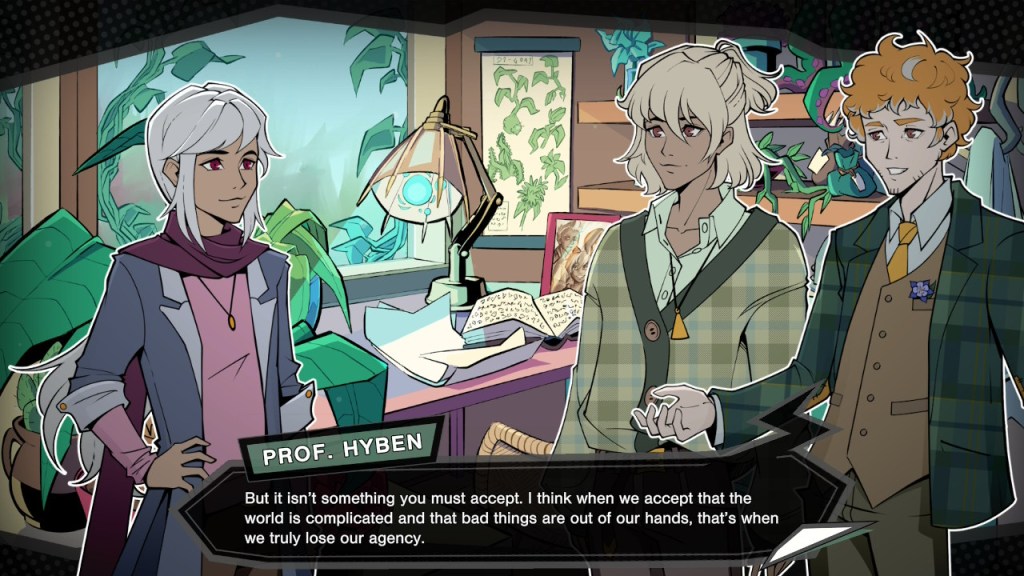
I think these games tell stories that make you really feel something. The corruption and oppression in this world made me so angry and frustrated on behalf of our protagonists.
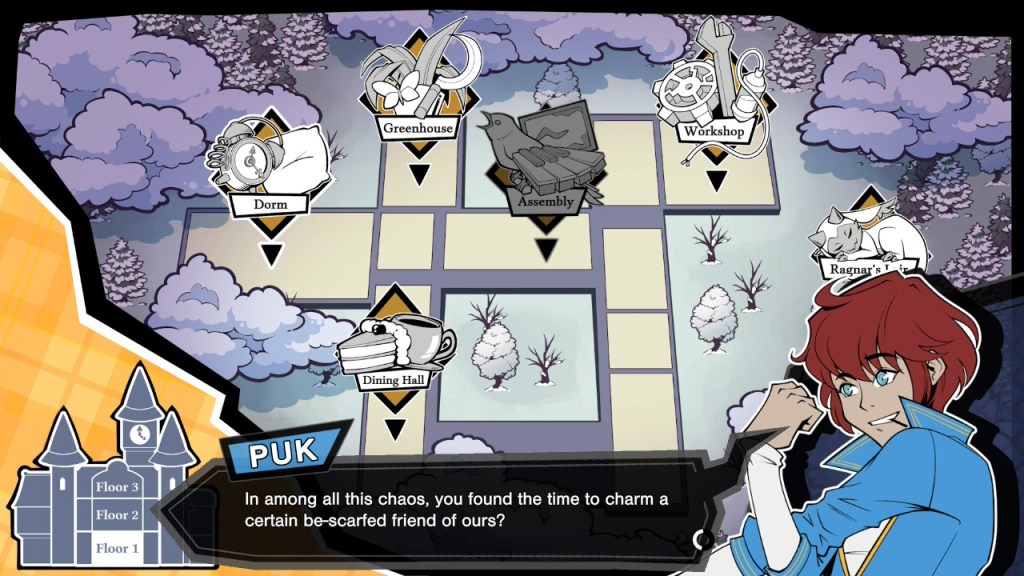
And while I was outraged at the actions of the antagonists, I felt many positive emotions as well. I often laughed at our heroes’ interactions; the voiced “banter” interactions between the other characters on the map screen are one of my favorite features. The banter scenes with Hannah and Ragnar were probably my favorites.
It would have been nice to get some background on our character, and I wish there was more magic use overall. But I loved the few scenes where Illusionist students performed, and Chapter 11 as a whole was extremely satisfying. I liked how they continued to use the trio of bird gods as part of the lore.
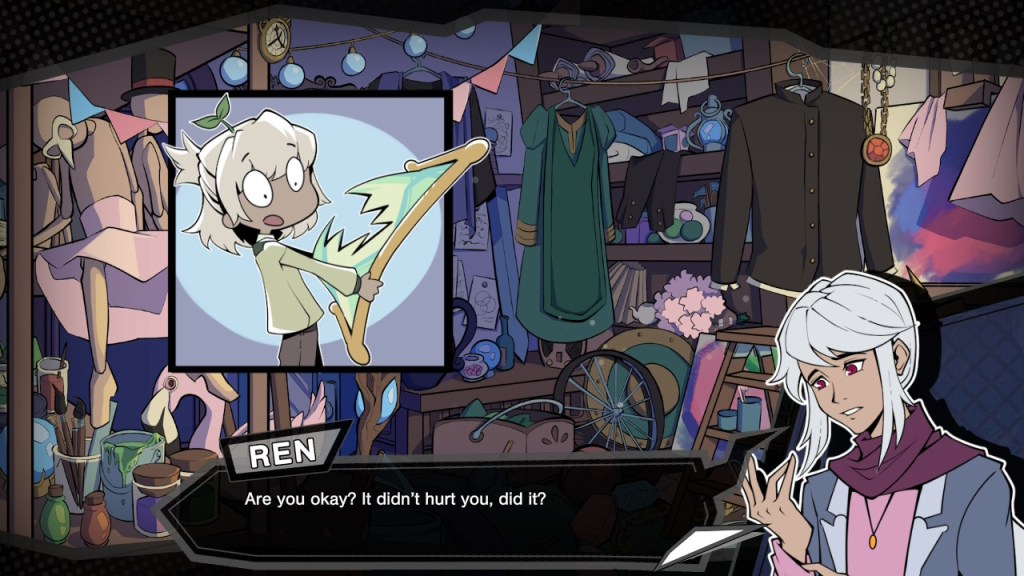
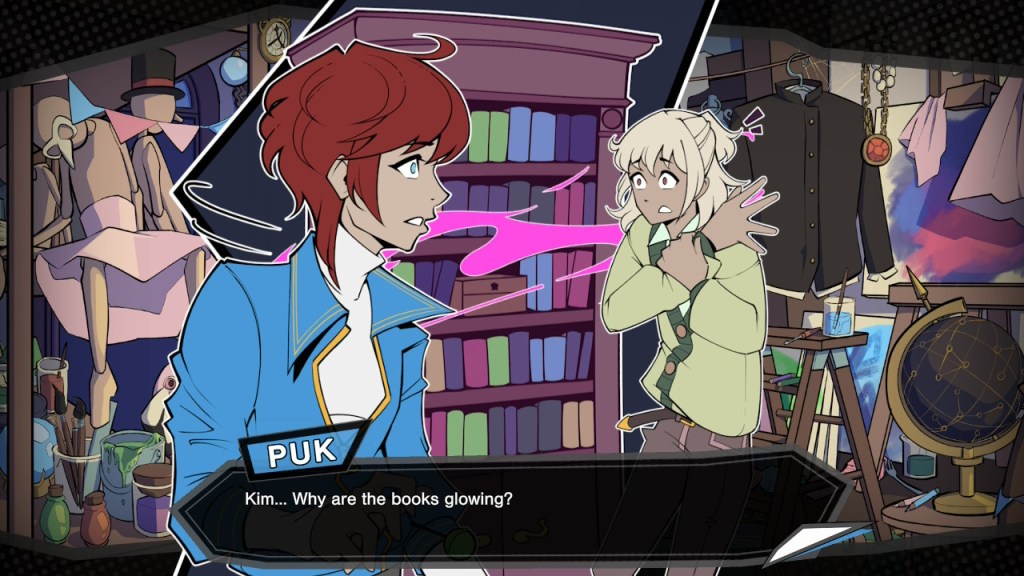
Arcadia Fallen II improves on its predecessor in many ways, with what I felt to be better pacing and a more satisfying ending. The story was great and there were a lot of choices to make. They included more art this time, with cute comic panels for some scenes and CGs for others. The voice acting was impressive, too (Ragnar was my favorite)!
This felt like an amazing second arc of the story of the Solagaar Empire, and I think there’s definitely room for a sequel. If you enjoy stories about magic, choice, personal growth, and societal change, you might want to check these out!


Leave a Reply