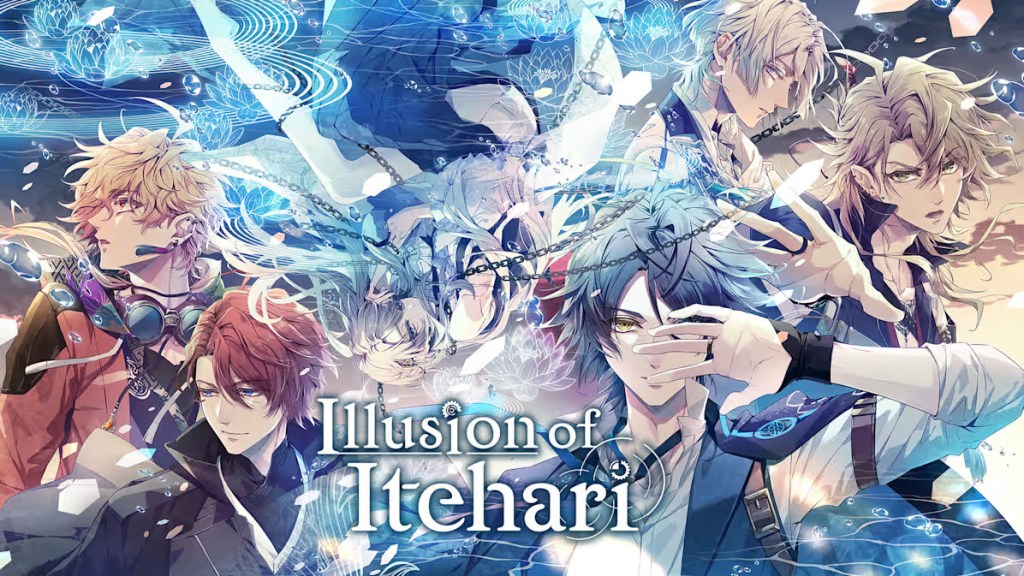
- Price: $49.99 USD (digital & physical)
- Developer: Broccoli
- Publisher: Aksys Games
- Release Date: September 18, 2025
A review code was kindly provided by MMPR on behalf of Broccoli and Aksys Games. We thank them for allowing us to cover something they’ve worked so hard on.
Content warning: rated T. Arson, mentions of sex work and addiction, abuse of power, forced marriage, implied sexual assault in a bad ending, death
Check out our walkthroughs HERE!
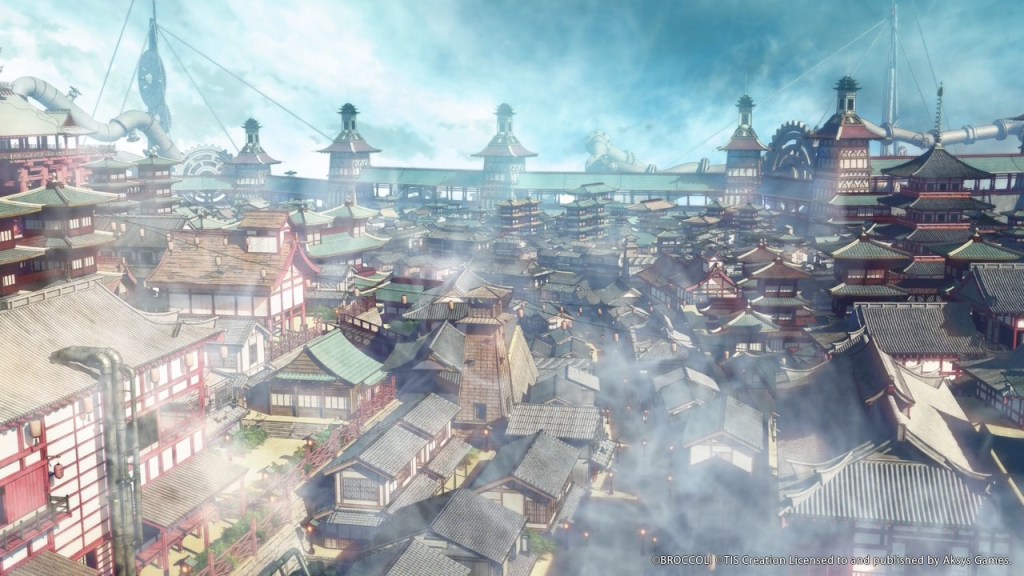
Illusion of Itehari is the latest otome published by Aksys Games in the West. The story is set in the titular Itehari, a floating garden city in the sky. Although Itehari is said to be a utopia, main character Hinagiku still wants more from life than her current existence as a noblewoman. One day she meets a man with amnesia, and the events that unfold in the aftermath cause Hinagiku to investigate the secrets of Itehari.
The prologue gives us a brief summary of the history of Itehari, which is accompanied by some lovely art and voiced narration. We also get some insight into Hinagiku as a noble; she really seems to take the idea of noblesse oblige very seriously compared to the other nobles in Itehari.
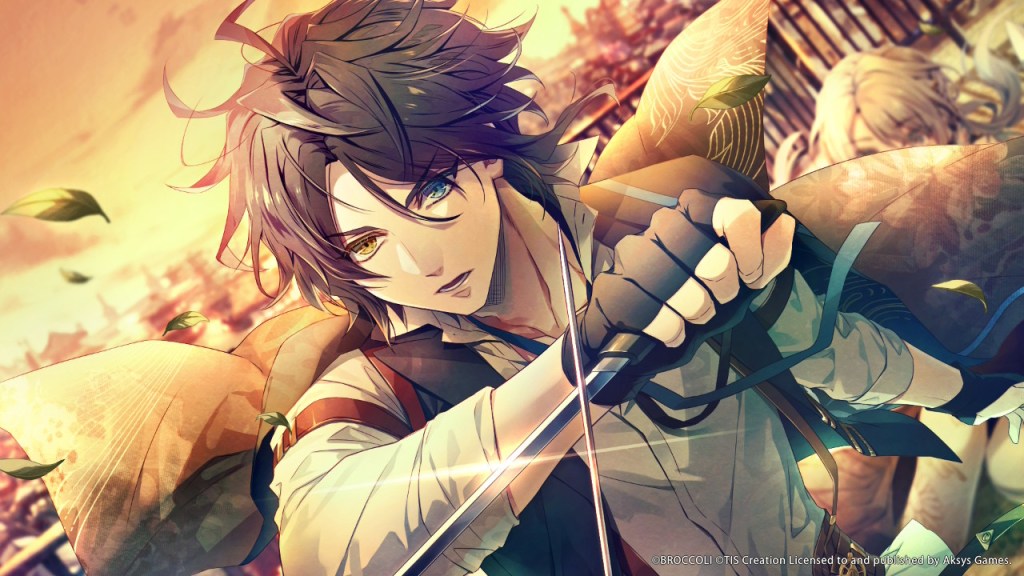
Hinagiku tells us that while cities on the surface have crime and fight in wars, it’s not like that in Itehari. It’s said that no one ever hurts anyone in this utopia, and that “there’s never anything to “be careful about” in Itehari.” Of course, there is no such thing as a perfect world, and when Hinagiku is attacked one day the illusion that Itehari is safe is shattered.
The writers clearly worked hard to establish the history, economy, and sociopolitical system of Itehari. I was certainly intrigued by the idea of a floating city isolated from the surface for hundreds of years. How would their language develop without much interaction with the surface dwellers over the last 300 years? What do all the commoners do for work without an agriculture industry? 🤔
We get glimpses of the way people live under the class system in Itehari. My blood boiled over the nobles’ treatment of not only the commoners, but also the lower ranking members of the nobility. Hinagiku is fairly high up in the hierarchy, but she still has to comply with whatever a higher ranking noble asks her to do – unless there’s a really good reason not to do so.
Hinagiku is unusual in her consideration for the commoners of Itehari; having just come of age as the head of her house, she tries to bring her concerns to the Ryuei, the city’s legislative body. There are a few scenes that take place during these legislative sessions, but I kind of wish they gave us more scenes there to show us more about how the political system works.
And for all that Hinagiku is curious about the surface, I was rather disappointed that it’s only discussed. We don’t even get to meet the traders who bring goods from the surface, let alone any kind of diplomats. That being said, the characters do explain the complicated relationship between Itehari and Ginwan, the capital city of Touei below them.
As she learns more about what goes on beneath the floating city’s utopian facade, Hinagiku will fall in love with one of the game’s five love interests. Romance her attendant/butler, childhood friend, the head of the entertainment district, an officer in the military police, and the amnesiac who saved her recently.
Based on the unlock requirements for their routes and my interest in them, I played the routes in the following order: Tobari, Awayuki, Yori, Tsuyukusa, Yashiro, and the True Ending. I thought that the storylines for Tobari, Awayuki, and Yori seemed a little too similar/repetitive, while the remaining routes felt more interesting.
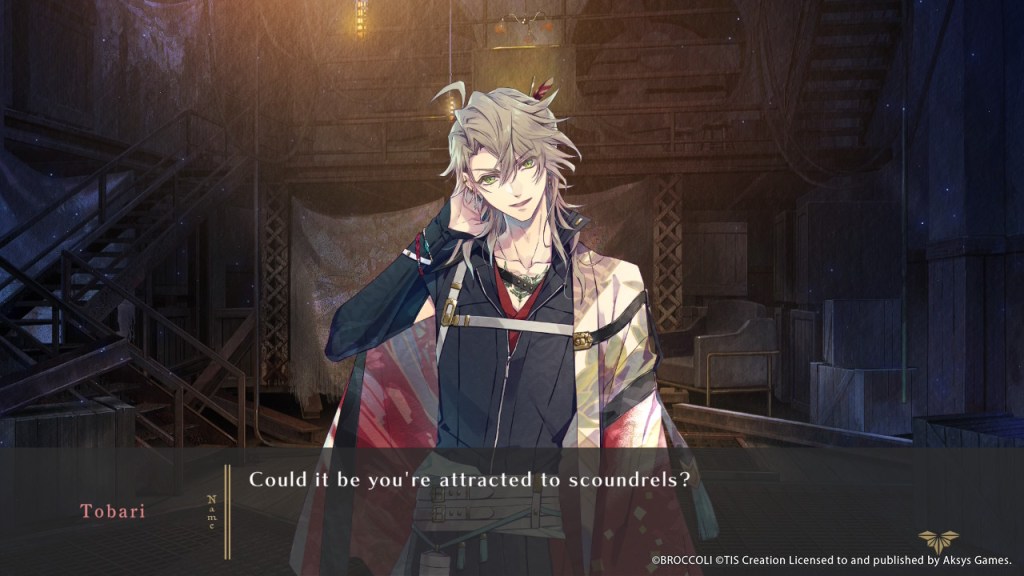
I liked 4 out of the game’s 5 love interests, with Tobari and Tsuyukusa as my favorites. Although Tobari seems a bit scary to Hinagiku at first, she discovers that he’s actually a big softy on the inside. Even in the other love interests’ routes he’s such a mother hen! I liked that he has a lot in common with Hinagiku as far as their responsibilities and interests are concerned.

As her childhood best friend, Tsuyukusa is very protective of her from the start. He’s a self-described shut-in who obviously has feelings for Hinagiku already. People who know her realize that she can get into trouble pretty quickly on her own, so Tsuyukusa often goes along with her on her more risky endeavors to make sure she’s safe. I loved their shared history, and Tsuyukusa’s thoughts during the short stories were adorable.
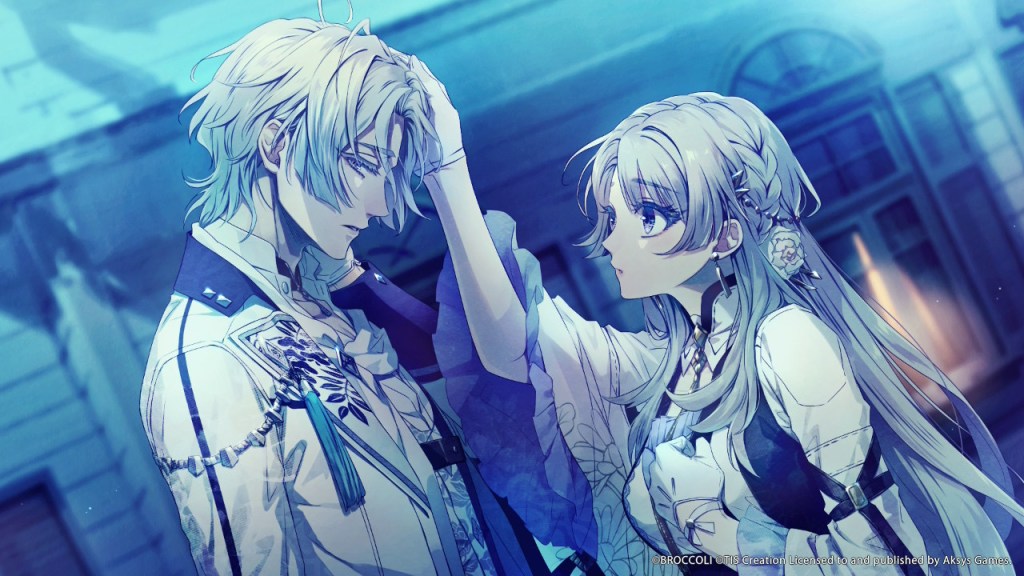
Awayuki was a good character overall, but I wasn’t sure how I felt about him as a love interest. Similar to Radie from Radiant Tale, Awayuki was involved in raising our main character, so I wasn’t really a fan of the pair entering a romantic relationship. I did like Awayuki because he clearly cares about Hinagiku a lot, and his reactions to her antics are hilarious.
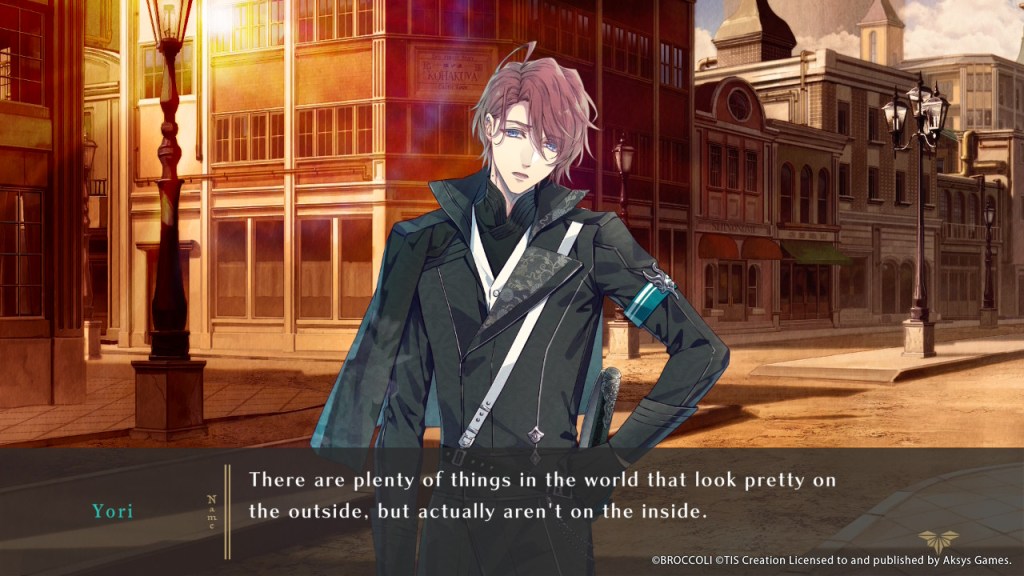
Now, Yori was probably my least favorite love interest in an otome ever. He’s so pretty, but that personality…yikes! His route was interesting from a political and economical standpoint, but I didn’t like the “romantic” development at all. I really would have preferred his brother as a love interest, but alas, it was not meant to be. 😢
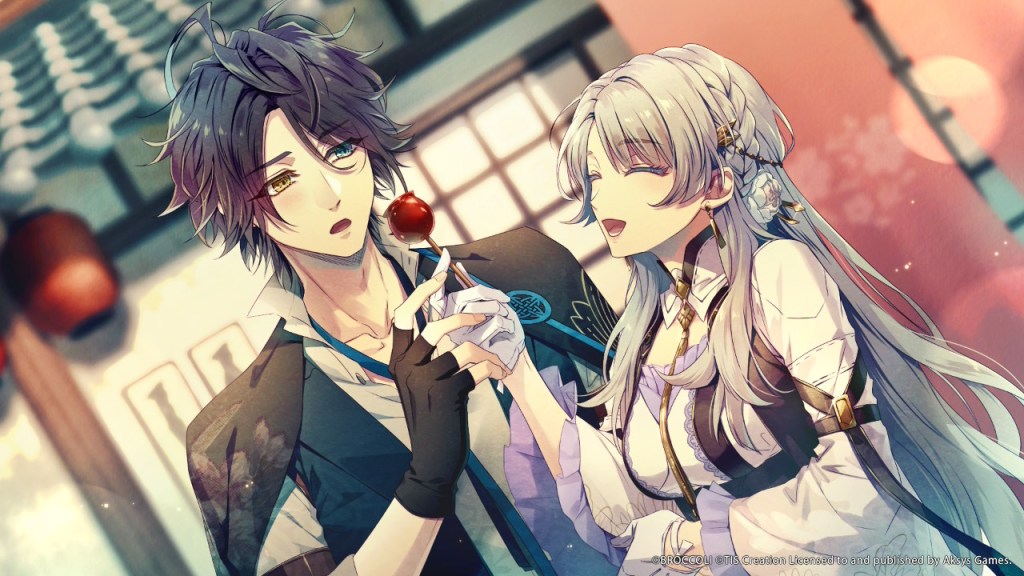
Yashiro is our amnesiac love interest who saves Hinagiku in the prologue. He hangs around in other characters’ routes as well, and his amnesia is a convenient excuse to introduce players to Itehari! 😂 I thought he was an okay love interest, and if I’m right about the hints about his background, he would be an even more interesting character in the fan disc.
While I liked most of our love interests, I will say that the romance felt a bit tame. On one hand, Hinagiku is only 18 years old, so it’s a good thing that the writers didn’t rush her romantic relationships. On the other hand, the romance taking more of a backseat in an otome can be disappointing.
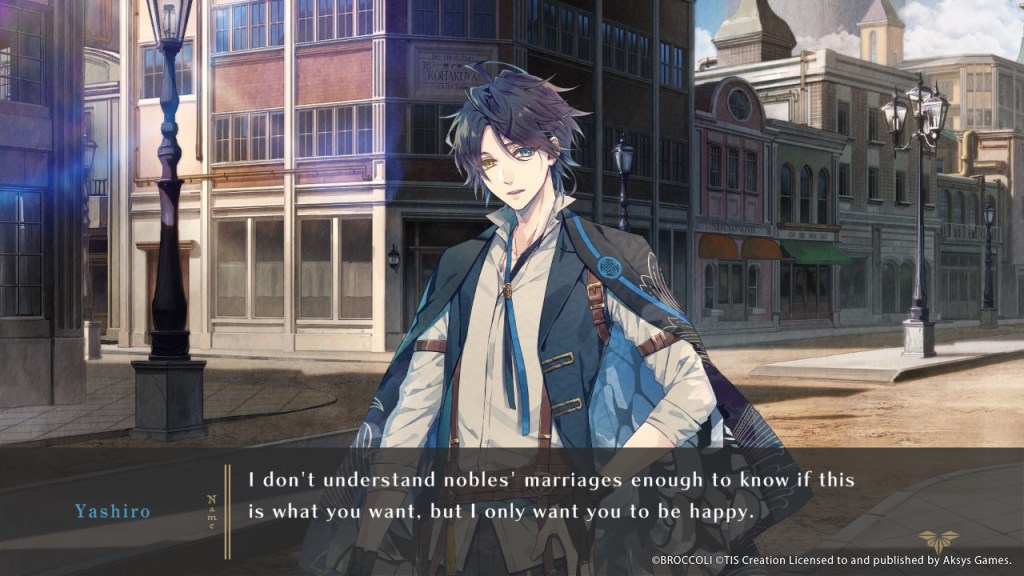
I really appreciated the camaraderie between Hinagiku and the love interests (again, sans Yori). The guys exasperatedly help her with her investigations into Itehari’s secrets, and several of them offer support – and shovel talks – to the route’s love interest over their relationship with Hinagiku. Even if they have feelings for Hinagiku themselves, they still support the other guy because Hinagiku wants them back. Such good guys! 🥹
I did like Hinagiku as the main character for the most part. She’s stubborn, naive, nosy, reckless, and overly idealistic. But she’s also kind and brave, willing to at least try to do something when no one else will. The commoners in her domain adore her, and she isn’t a pushover despite growing up in a sheltered environment under a hierarchical system with messed up rules. I like how she’s willing to admit when she’s wrong, change her point of view, and apologize.
Illusion of Itehari does have its shortcomings. I thought the plot could be pretty predictable a lot of the time, especially when it comes to the characters who end up playing the antagonistic roles. It seemed like they repeated a lot of the same background information across routes, and I was dissatisfied with the lack of real resolution for the issues between Itehari and Ginwan. I also wanted more romance.
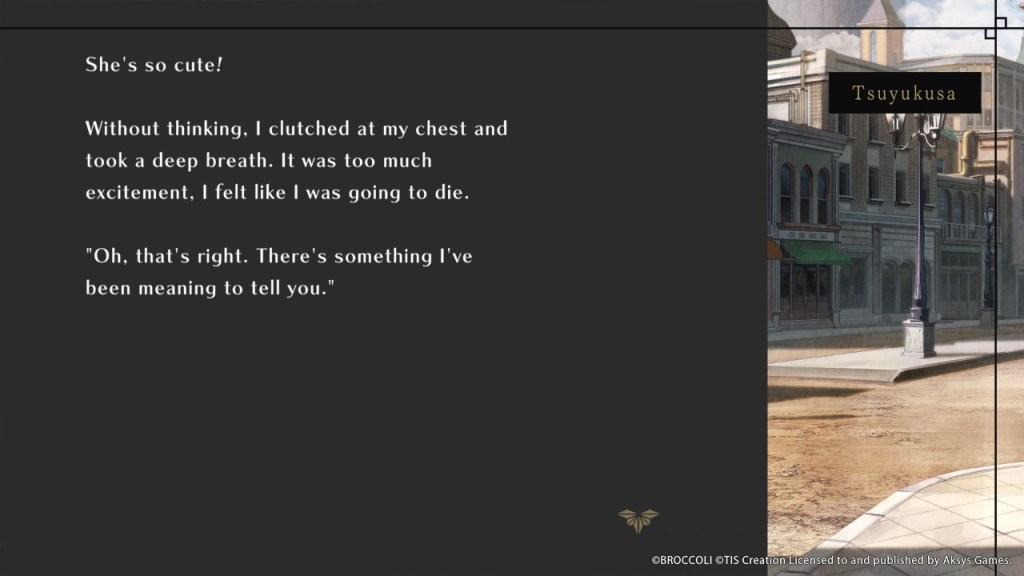
Despite these criticisms, I still found a lot to like about Itehari. The setting’s really neat, and I liked most of the characters; even some of the antagonists had some redeeming qualities. It seemed like they changed perspectives more than usual for an otome, with a lot of scenes taking place from the love interests’ points of view, as well as those of unknown parties. 😮 There are also 2 short stories each from the love interests’ perspectives, and their internal monologues are usually pretty cute.
The writing has some other positive elements; for one thing, I appreciated how short the common route was compared to most other otome, as this only has the prologue and 2 common route chapters. This gives us more time with the love interests in their routes. There’s also new content in the prologue after playing through a new route, which I don’t remember seeing in an otome before.
I often complain about the number of bad endings in otome, as I feel like the shorter, more sudden ones are pretty much “throwaway” endings. There are some of those included in this game, but the longer bad endings packed more of an emotional punch than usual in my opinion. They weren’t quite Hakuoki levels of tragedy, but I think they did a good job making me feel sad about the characters’ fates here.
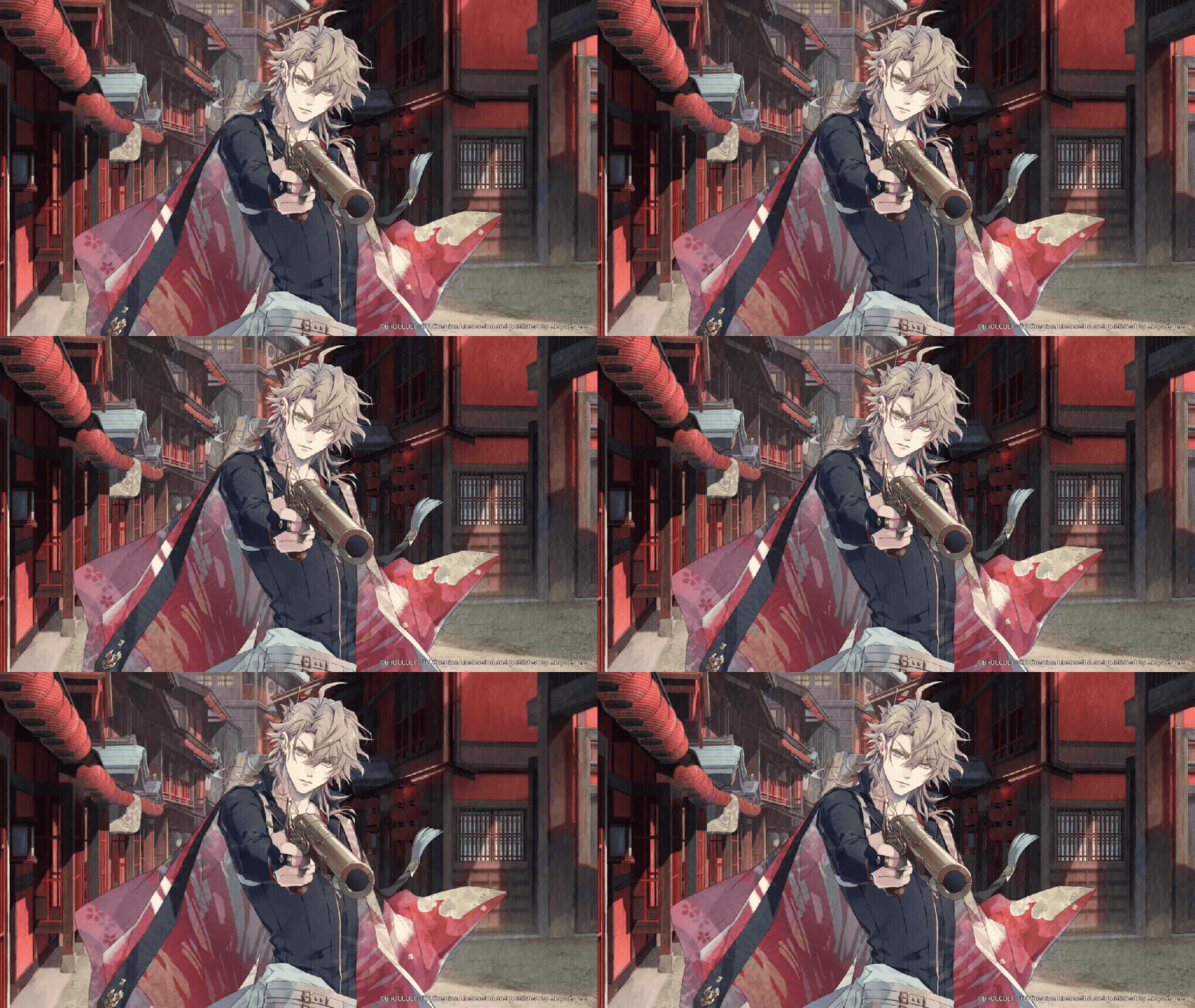
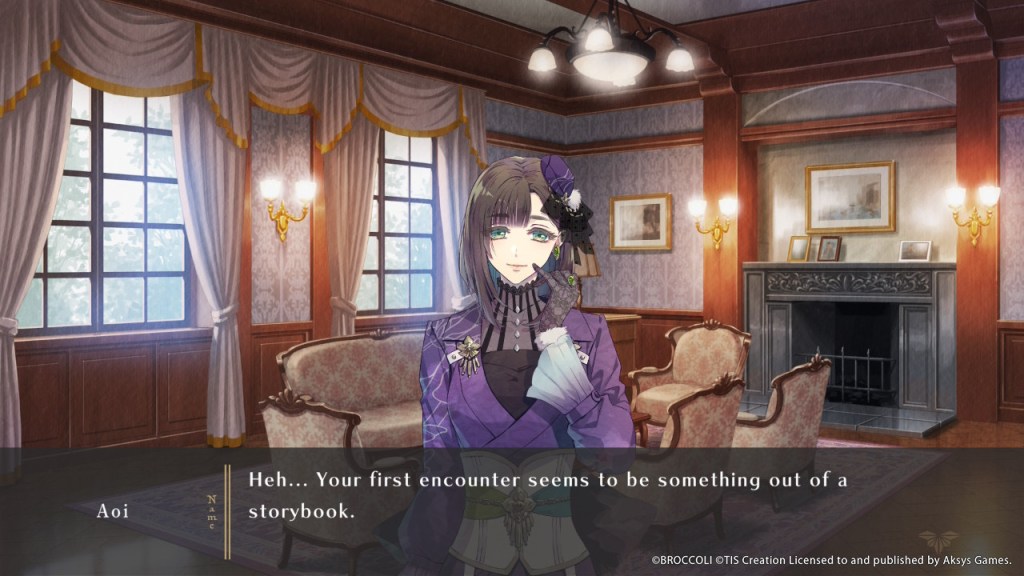
When it comes to the characters’ designs, I thought they were absolutely gorgeous! (As are the backgrounds.) The character portraits felt more alive than in most otome games, as they used the “Live2D” feature to animate them. Characters will blink as usual, but you can also see their hair and clothing move as well. The soundtrack was amazing as well – especially on the main menu and during action scenes.
Illusion of Itehari took me about 30 hours to finish at 100% completion (I’m a fast reader), and I enjoyed it enough to hope that the fan disc gets localized so that Hinagiku – and we as the readers – hopefully get to experience the world on the surface someday soon. 💕
 Switch It On Gaming
Leave a comment