
- Price: $49.99 USD (digital & physical)
- Developer: Nihon Falcom
- Publisher: Aksys Games
- Release Date: July 25, 2024
A review code was kindly provided by MMPR on behalf of Nihon Falcom and Aksys Games. We thank them for allowing us to cover something they’ve worked so hard on.
Content warning: Rated T; includes discussion of natural disasters + victims; delinquents committing crimes involving women, murder, drugs, etc.
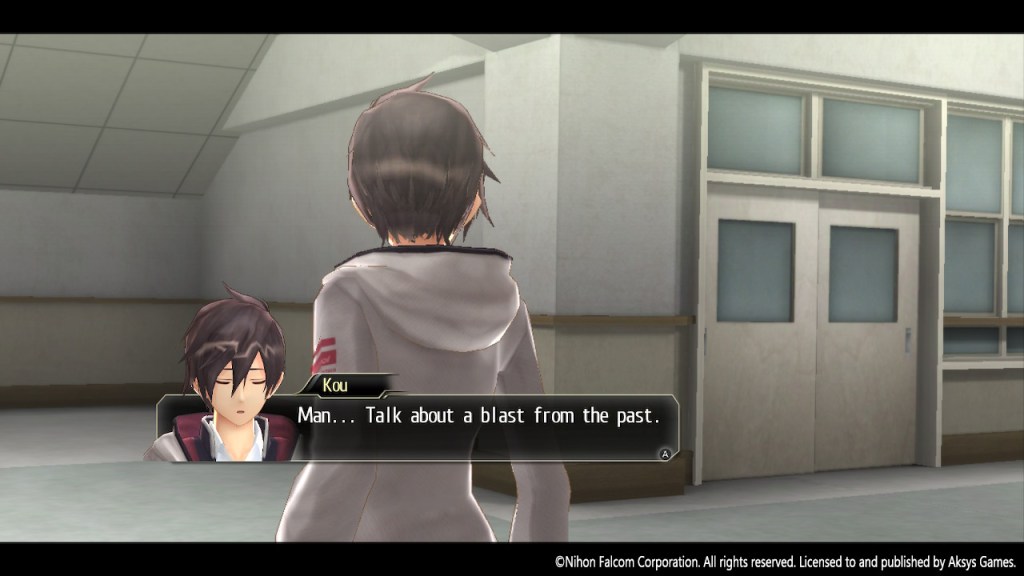
It’s been close to 10 years since I first played the original version of action JRPG Tokyo Xanadu on my PS Vita. They then brought the eX+ version to PS4 and PC, but as a strictly handheld gamer I haven’t had the chance to experience the new content…until now. Arriving on Nintendo Switch in a little under a week, this eX+ version includes:
- Updated localization
- Keeps the Japanese voice acting
- All of the DLC
- Side story chapters in between the main story chapters
- New playable characters
- New monsters, dungeons, and bosses
- New Boss Battle Mode with Boss Rush
- New After Story upon completing the game
It looks like this version is more of a “complete” edition with everything already included. I must confess that this was on my Switch port wishlist, so I’m a little biased towards it before even starting. But I will say that considering how I usually prefer turn-based games, it’s impressive that I enjoyed the original so much.
If I had to describe the game, I’d say that Tokyo Xanadu is kind of like a combination of the Trails, Persona, and Ys series in terms of the battle mechanics and social elements. It’s fairly accessible for those who aren’t as skilled at action combat (like myself), with 5 different difficulty levels ranging from Easy to Calamity.
Otherworld Operations

You play as Kou Tokisaka, a hard-working high schooler who always tries to help others. After work one evening, he sees some thugs following his unsuspecting classmate, and goes to her aid. Just then, a void appears and transports them to an unknown location.
Asuka explains to him that when these gates to the “Otherworld” open, it starts to blend with our world, which results in a phenomenon known as an Eclipse. Humans in volatile emotional states may find themselves dragged into the Otherworld, where they’ll fall victim to monsters called “Greed.”
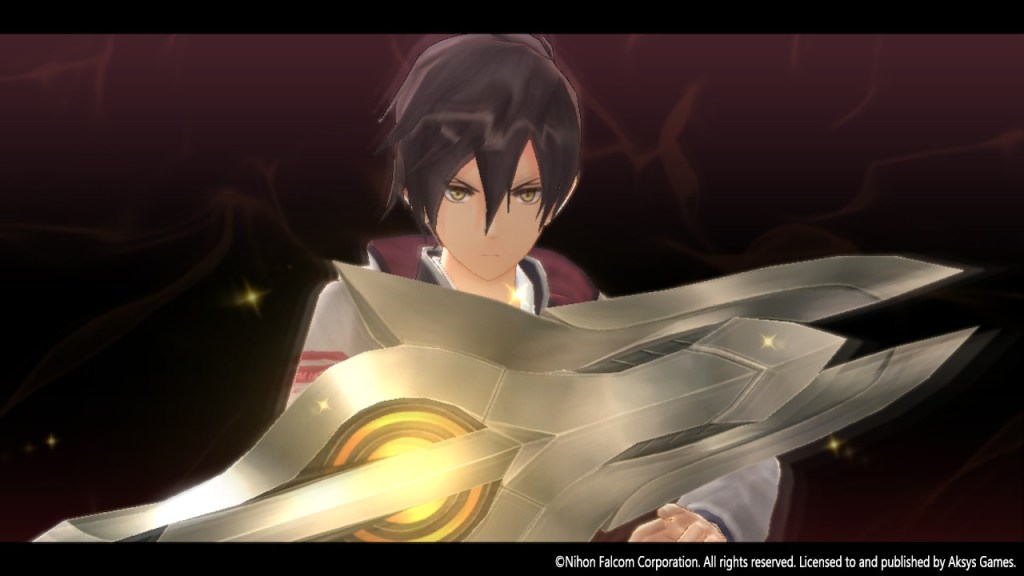
Despite Asuka’s best efforts to keep Kou out of it, he manifests a Soul Device weapon that allows him to defeat Greed. He’s too stubborn and protective to remain uninvolved. Over the course of 8 main story chapters, you’ll protect the town of Morimiya from the effects of the Otherworld, and perhaps even discover the truth behind the recent increase in Eclipses…
Morimiya Missions

But before Kou can start investigating the Otherworld, he has to attend school and complete tasks for his various part-time jobs. After school you can participate in some optional (but highly recommended) activities during your free time. Get to know a large cast of NPCs in the city, and see how their lives change over time.
Talking to everyone and completing their side quests helps you obtain new information about someone, which you can add to their Friend page. Not only that, but you might even stumble upon hidden side quests through these interactions!
Fast Friends
Side quests range from fetch quests to entering the Otherworld to fight or find something. If you complete an optional dungeon found by exploring the real world, you’re rewarded with an extra Affinity Shard to spend time with Kou’s friends.

You can’t view every character’s full Affinity Event line in your first playthrough, so you’ll have to choose your favorites. Watching these events strengthens Kou’s Soul Device and that of the other character (if they’re a party member).
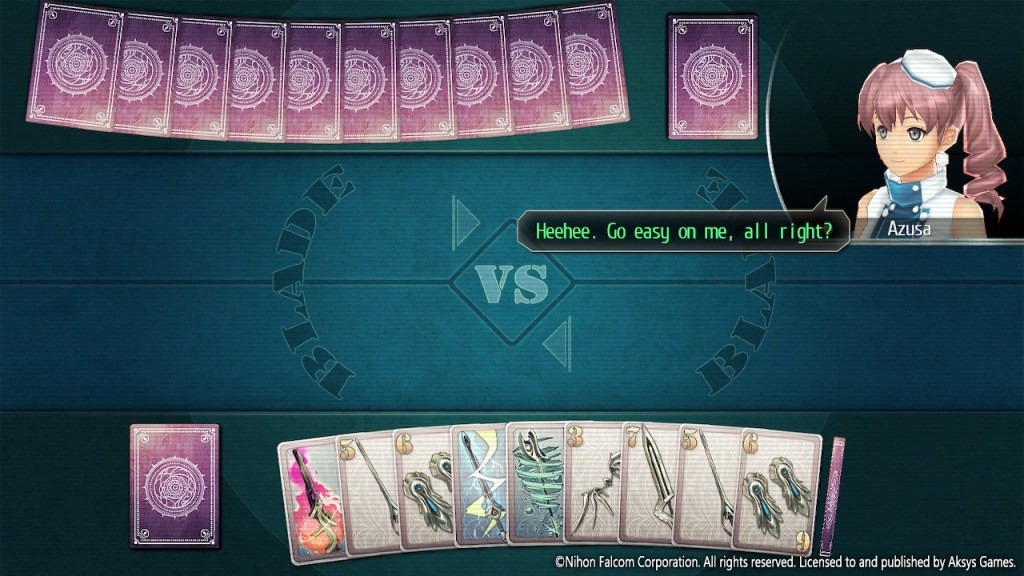
Outside of quests and socializing, Morimiya offers a wide variety of activities that often provide you with battle-related benefits. Play arcade games to earn accessories, and go to the skate park for more perks. Gather recipes and have your party members produce their own version of a dish.
I just really love how Falcom creates such a deep social network in the Trails games as well as Tokyo Xanadu. You don’t always get a chance to learn much about minor NPCs in the average game, but here I enjoyed getting to know everyone from the main cast down to the store owner who’s looking for love away from his mother’s meddling. (The frequent Falcom game references around town are also a nice touch.)
The side chapters add a bit more depth to the characters, and also allow you to play as characters who you wouldn’t normally get to control in the original. These side chapters aren’t very long, but they do enhance the experience, with additional dungeons that may or may not set the stage for an important aspect of the story…
Grappling with Greed

When it comes to the action combat in the Otherworld, you’ll eventually end up with a pretty big pool of party members to choose from. You get to choose up to 3 characters to go into each labyrinth. Only one character fights at a time, but you can switch between all 3 party members at will. I really like having options, as some characters are easier to control than others.
The only real differences between characters would be their weapon type, specialty, and maneuverability, along with their elemental affinity. Other than that they all have the same basic combat skills: regular attacks, ranged magic-based skills, aerial attacks, and power skills. Some enemies are immune to ranged skills, so it’s best to use a combination of attacks.

You can upgrade each character’s Soul Device abilities using materials found in the Otherworld. Soul Device modification is similar to the quartz and orbal arts system in Trails, allowing you to add “Element” gems with stat-boosting effects and helpful passive abilities. There are also EX skills, powerful X-Strikes, and X-Drive mechanics that temporarily bring one of your teammates into battle at the same time as your primary fighter.

Most of the dungeon exploration involves action combat, but there are also some basic “puzzles,” slight platforming mechanics, and trap damage. The dungeons do get longer and more difficult as you progress through the game, although it takes until about Chapter 5 for that to happen. At that point you start seeing a lot more traps, and enemies immune to ranged attacks start showing up more.
I played on Easy mode, so the enemies weren’t as dangerous as they could’ve been. Even so, the game still provides you with a challenge by scoring your performance in each successful attempt at a dungeon.
They take aspects such as clear time, damage taken, defeated enemies, and treasures found into account for your score. You can do everything else just right, but if you take too much damage your score goes from S to A rank pretty quickly. Thankfully, you can replay each stage and try to improve your score.
Sappy Speeches
It took me just under 60 hours to complete everything I possibly could in my first playthrough. I ran around town talking to everyone multiple times, solving their problems, and finding every secret possible. That includes the Epilogue, True Ending portion, and the After Story.
I highly recommend looking up the True Ending requirements; it’s possible to unlock in your first playthrough, and I think you’re really missing out if you don’t. Participating in everything the game has to offer is pretty important to not only experience the whole story, but also to get your hands on some top tier equipment.

Your response to a story centered around teenagers saving the world may vary. They admittedly give the cheesy friendship speeches, with some common Anime tropes. Yet I found that they didn’t rely on those tropes as much as many other games have.
One way Tokyo Xanadu differs in this regard is that there isn’t really a focus on romance with Kou’s childhood friend (or anyone else). Any hints of possible romance are quite subtle, and Affinity Events don’t involve choosing a love interest for Kou. We get more romance out of the minor NPCs than the main cast, which I found rather refreshing for a change.
And despite the occasional cheesiness, I still found myself tearing up and getting goosebumps towards the end. I call this the “Falcom Feels” effect; you know you’re going to get frequent speeches about friendship and togetherness saving the day, which can get repetitive pretty quickly. But somehow they always manage to get me emotionally invested in the characters and stories anyway.
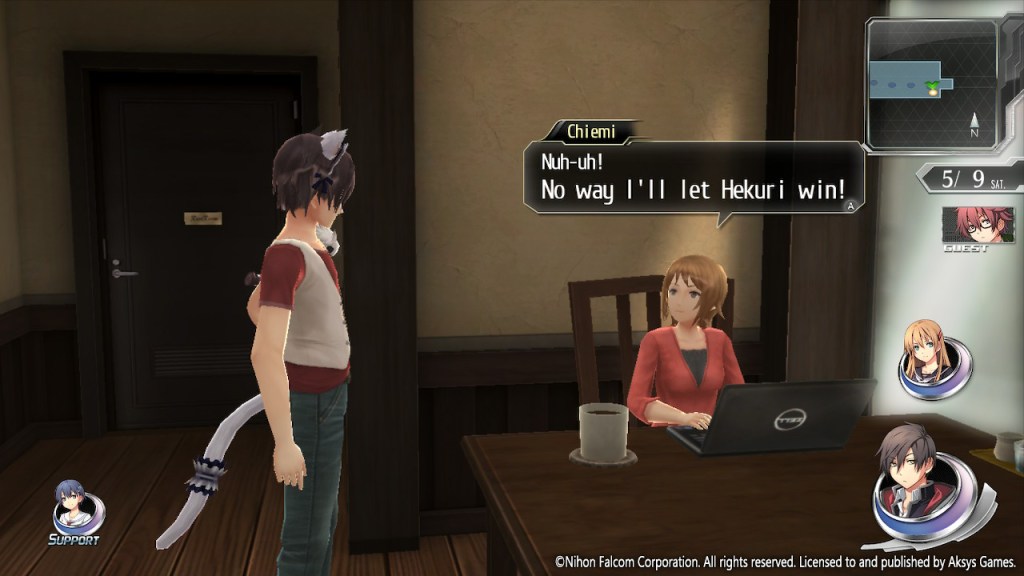
I had more of an issue with the incidence of typos. There were a decent amount of words that were either missing letters or had unnecessary ones added to them. In one instance they mixed up homophones: “…she needs to learn to step on the breaks” (-> “brakes”). I also felt that they overused “Got’cha” as a response instead of using alternatives (and I wasn’t a fan of the stylistic choice to add an apostrophe).
Other than that, I only have minor “complaints,” like the low variety of enemy designs, with many reskins. Or how the party members with more interesting weapons join you much later, which is more of a personal preference that couldn’t be changed without having a large impact on the way the game is arranged.
Fun for (Almost) Everyone?
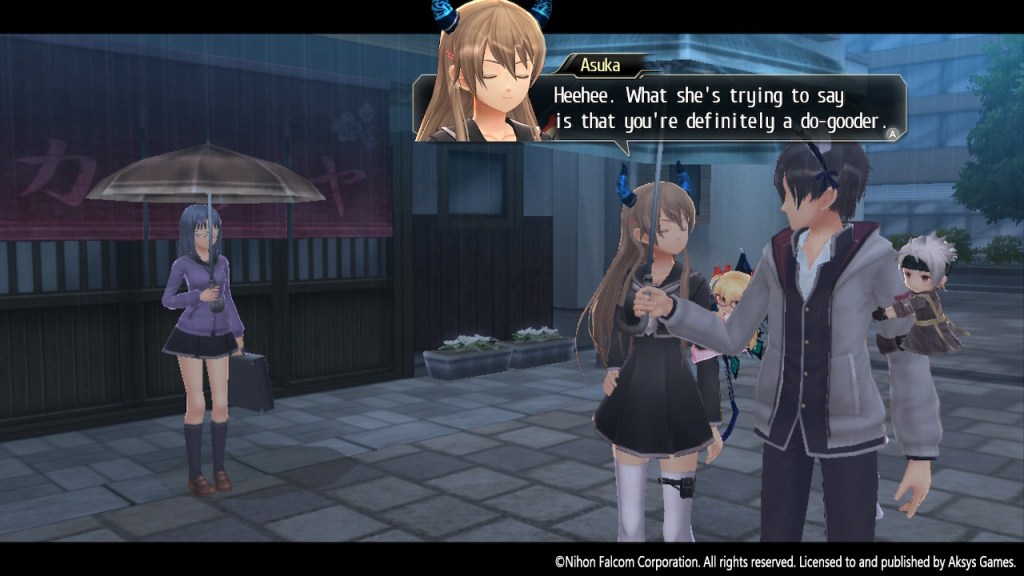
I think that Tokyo Xanadu eX+ has a lot to offer both returning players and newcomers alike. The characters are all likable, and the story’s pretty decent. I really like the graphics style and soundtrack (I’ve had “Seize the Day” stuck in my head since the localization announcement.) The music gets even better in the final chapter.
Like many recent Falcom ports, they added a High Speed mode to increase your movement speed as well as the speed of any cutscenes. I didn’t notice any performance issues in regular or High Speed mode, and everything loaded almost instantly.
The quick loading and fast travel function made it easy to explore Morimiya and complete quests. There’s so much to do in your first playthrough alone, and New Game+ adds several new optional dungeons to the mix. New Game+ also offers you the choice of playing in Infinity Mode, which starts the game with 60 levels added to every enemy!
The Extras section includes a Boss Rush option, character viewer, gallery, and the ability to play through the After Story, which takes place after the True Ending epilogue. The events in Morimiya during the After Story were pretty entertaining – especially the mall quest!
While the game does borrow a lot of mechanics from the Trails series, I don’t mind that. It’s a fun action JRPG with a balanced variety of activities and a decent amount of choices to make. I’m excited to see what they do next with the recently announced Tokyo Xanadu: New Project, which currently does not have a release date.
 Switch It On Gaming
Leave a comment