
- Price: $19.99 USD (currently on sale for $16.99 until October 6th)
- Developer/Publisher: Chibig
- Release Date: September 15, 2022
A review code was kindly provided by Chibig. We thank them for being able to cover something they’ve worked so hard on.
Chibig has previously brought a variety of games to the Nintendo Switch in an attempt to “create a universe” (Summer in Mara, which is on sale until the 19th, and Deiland: Pocket Planet Edition). Now, Ankora: Lost Days has crash landed on Switch for us to enjoy.
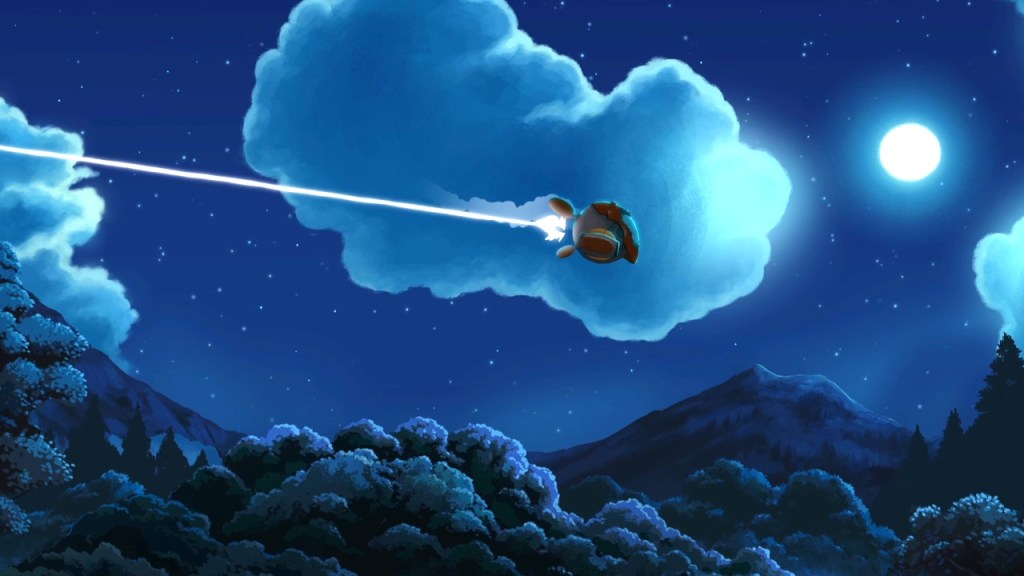
Here, you play as a girl named Mûn, a Junior Ranger with the Interstellar Patrol who has been stranded on the planet Ankora on her own after her spaceship malfunctioned. It will take a while to adjust to resting in tents, keeping Mûn fed and hydrated, and terraforming the land to make traversing Ankora’s terrain easier.
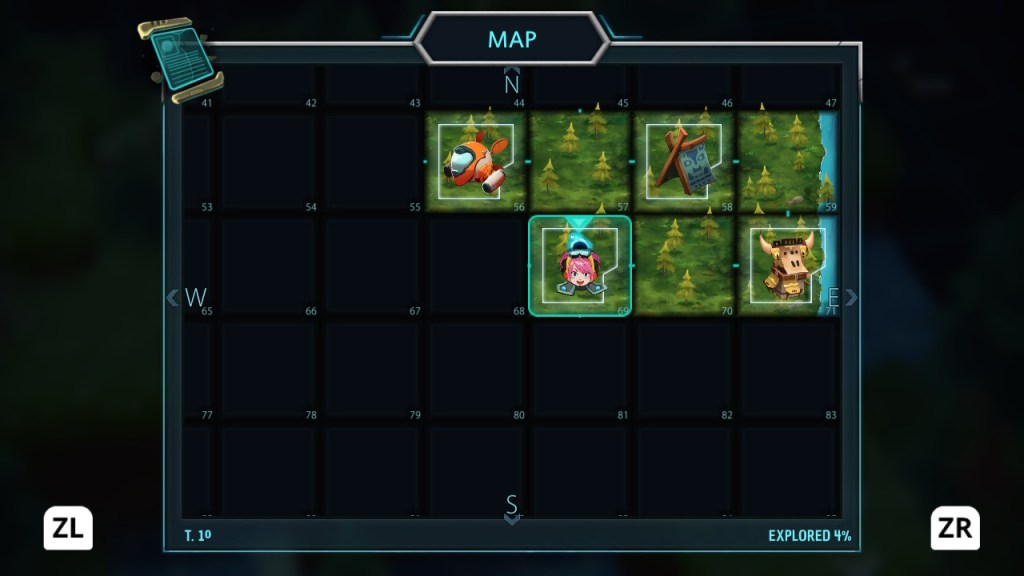
There are almost 150 squares on the grid representing Ankora on the map. Mûn has never been to Ankora before, so you’ll be filling in the map as you reach each square for the first time. Thankfully, the game saves you some time and will automatically record that you’ve been somewhere. The planet is inhabited by a species known as “anks,” which are oddly endearing and adorable creatures that remind me a little bit of characters from Where the Wild Things Are.
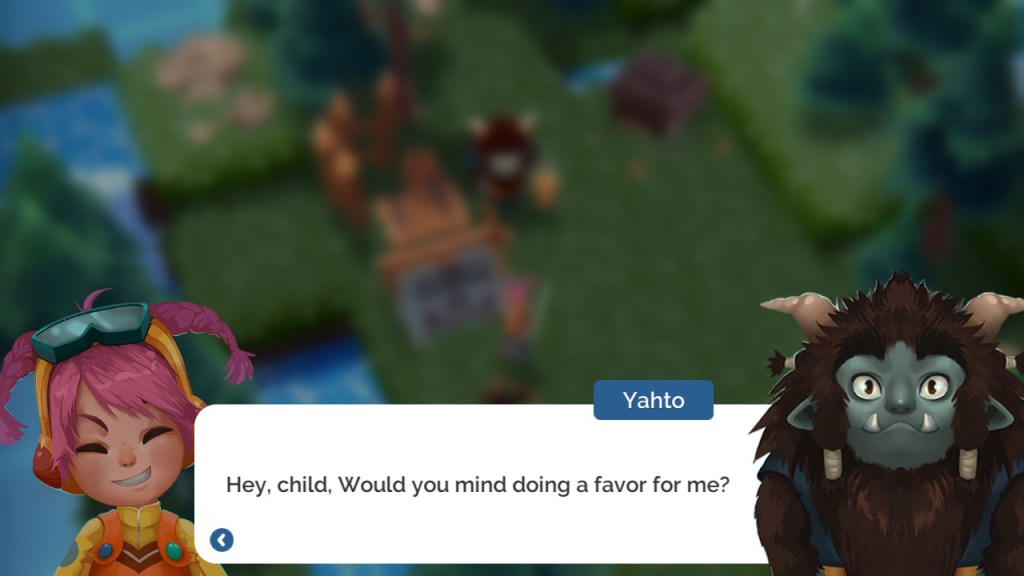

While you work on finding the parts that came off of Mûn’s spaceship during the emergency crash landing, you’ll meet some of those anks and help them out. On the map, you’ll see that the anks will stay in permanent merchant tents, temples, or harbors. But there are others who need certain requirements to be met before they’ll return to their homes. As Mûn tells one of the anks, “…our motto on the Patrol is helping everyone, no matter what.” She may come to regret that statement because the anks will certainly keep her busy – but completing requests will provide you with rewards that make things easier for your stay on Ankora.

Mûn has several stats that will affect how often you’ll need to stop and rest. First, there are the self-explanatory life points, energy points, and experience points. I never managed to lose all of my life points at once so I can’t say what happens if you do, but using all of your energy points forces you to rest to restore them. The game doesn’t allow you to do anything requiring energy until you’ve rested, which can do at your spaceship or in a tent out in the field. Tents can only be used three times before breaking, while Mûn’s spaceship is a permanent resting area that includes a pantry for storage.
Mûn will gain experience points for pretty much everything you do. When you have enough experience to level up, the game gives you the ability to choose from one of two random stats to increase. These stats include:
- Strength: increases Mûn’s attack & inventory weight limit
- Intelligence: increases experience earned from each action
- Stamina: increases defense against attacks & survival status ailments
- Agility: improves movement skill, attack speed, and tool usage
Ankora: Lost Days has survival elements to it, so you’ll have to defend yourself against monsters, and also keep track of Mûn’s hunger, thirst, and temperature. It seemed like Mûn would get hungry and thirsty every time I slept in a tent. Finding food didn’t feel overly difficult, but you need to find the closest well or build one to get rid of Mûn’s thirst. I didn’t think that hunger and thirst were hard to manage, and I don’t think I dealt with Mûn being cold even once. It’s not too easy but it does give a sense of being in survival mode.
Some food – such as mushrooms – are easily accessible. But others will require tools to gather them. The first tool I obtained was a hammer, which is used to build things like stairs and bridges to make getting across the map easier. Mûn isn’t terribly impressed by the tools used on Ankora, and considers them “rudimentary.” But with a lack of better options, she’s forced to adapt and do things the way they’re done on Ankora. There are a lot of trees on the planet, and you’ll need to cut some of them down with a saw to get materials to build the aforementioned stairs and bridges, among other things. (Later, you’ll be asked to plant some seeds to make up for your contribution to Ankora’s deforestation.)
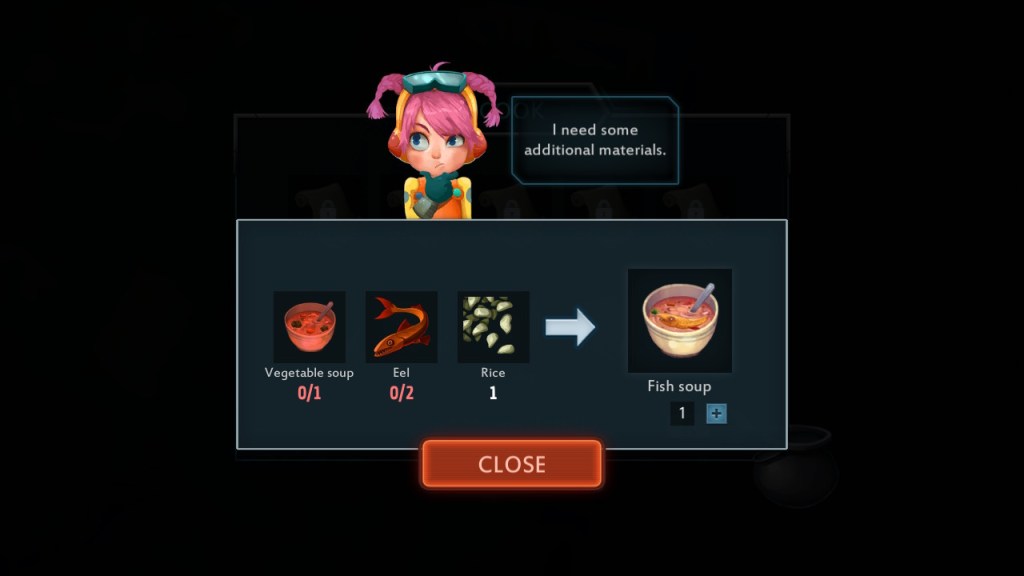
I really liked that the tools you use do not break (with the exception of the limited-use tents and fishing rods). You can upgrade your tools, but you don’t have to constantly remake them. There is a decent amount of crafting involved in the game. Besides crafting tools, you can learn recipes for food, potions, and other important items. You need to build a table to craft – there are some items like the stairs that you can build away from the table, but most items require the table or campfire to make them. Whenever I reached an area where an ank lived, if they didn’t already have a table, campfire, or well I would build them there so I didn’t have to return to base every time I crafted. It is easier to have crafting centers at the settlements already labeled on the map so you don’t have to scramble to find the nearest one when you need it.
Terraforming each area with my shovel was pretty satisfying once I figured out the controls. (You hit X to switch to digging and Y for raising the terrain, and I kept trying to use X or Y to confirm the action. What you’re supposed to do is choose X or Y, then press A to actually complete the action.) Changing the terrain levels to be the same elevation makes it much easier to get across Ankora. You may also want to chop down trees to make it easier to see which direction(s) allow you to reach other squares on the map, and you’ll also need to destroy rocks that block your path.

Some squares may have water that makes it impossible to get across the area without building a bridge or two. Bridges require several pieces of wood plus a piece of rope, and the supplies for crafting rope may initially be in short supply. It may be best to be more strategic in your resource management at first, so only build bridges if there’s no other way to get across. Later on, you can build bridges in areas where it will just make it faster and more convenient. I will say that it would have been nice if we could confirm that we wanted to destroy important things like wells or bridges, because I frequently got rid of them on accident when I had the saw equipped.


The game is very considerate when it comes to convenience in the controls and the transportation options. You can activate portals to help you get around, but you also have a teleporter item that allows you to go straight back to your ship and then you can use the ship area’s portal to travel to the others. The anks even have a preexisting boat system where you can pay them a small fee to take you to the other harbors.
As for the controls, they provide you with additional shortcuts that allow you to use the directional buttons to quickly access your inventory (up) and quest log (down). I really liked how clicking on a quest for details also lets you see where you need to go on the map for it. The map can be accessed with the “minus” button shortcut, and for the directionally challenged like myself, they provided labels for the directions you can go in. N, E, S, or W will be posted above the access points to the next area(s), which helped me navigate Ankora using the map.
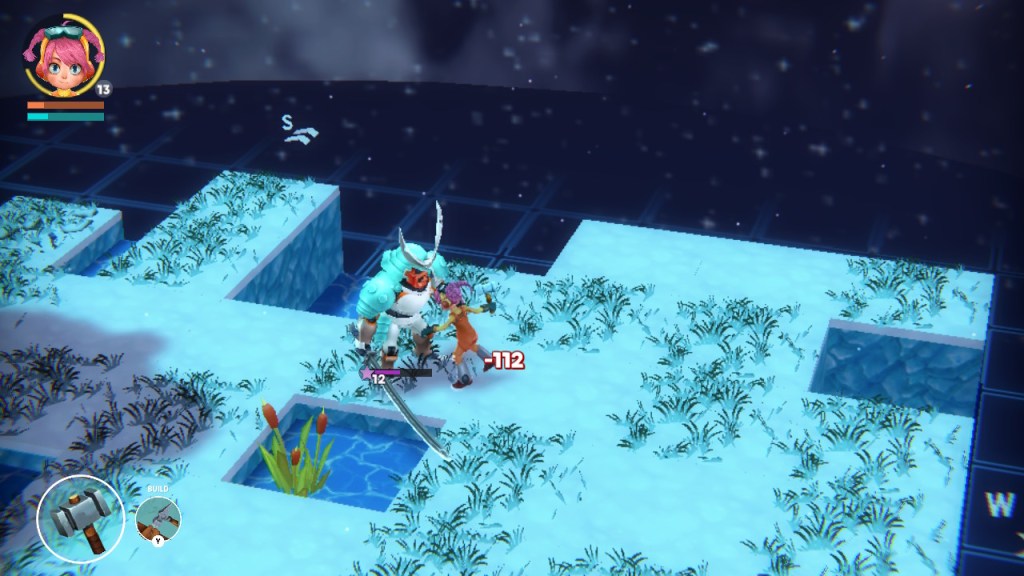
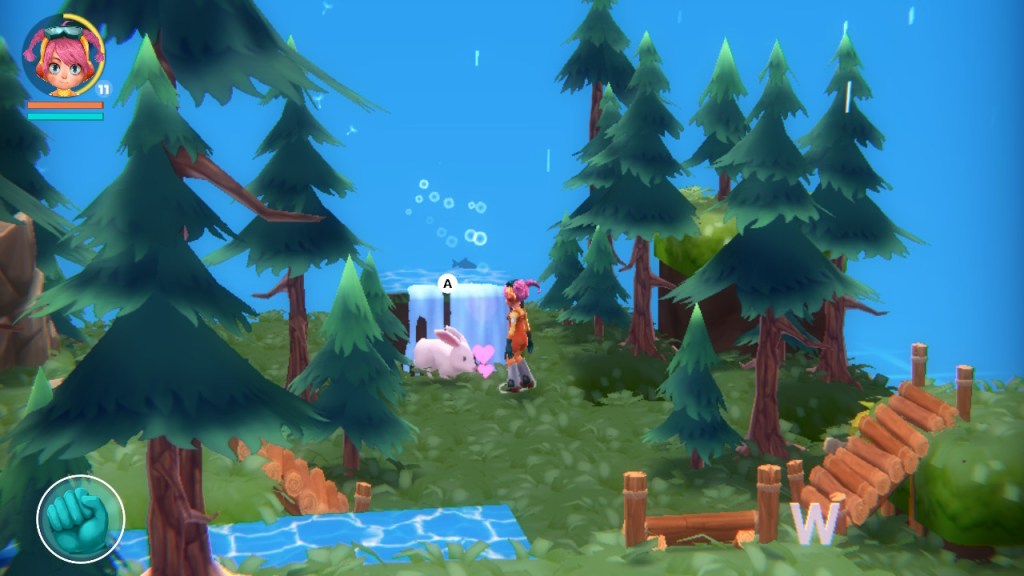
Each nonresidential area you travel to will have monsters to fight and the occasional animal to feed and lure in. Sometimes the monsters you defeat will drop items for crafting or quests. Unfortunately, you can’t really make the animals your pets. Animals will have specific foods that make them follow you around (pigs like radishes, bunnies like carrots, mice like cheese, and geese like salmon) and give you their items as well.
You can get animals back to your ship by using the transporter, but getting them to constantly follow you around would require you to feed them about once per area. I would have liked a pet system where they would help you in battle. The luring method wasn’t my favorite, and there are several quests that require you to bring animals back to an ank. (I also disliked the fishing function because it felt too difficult for me with my reflexes – or lack thereof.) But I did enjoy seeing bunnies hopping around behind me.

Mûn’s movements looked a little wonky when walking or running, although the animation for using tools looked okay. The loading screens felt very fast and smooth. Your relationships with the local anks, however, won’t always start quite as smoothly. Some of the anks are rightfully suspicious of a human poking around their planet and cutting down trees. The anks themselves deal with a lot of interpersonal conflicts, often driven by tensions stemming from an inter-ank war fifty years ago or an ank perceiving others as weak. Mûn must help the anks unite to face a returning enemy, but you’ll have to complete their requests first.
There are over a dozen characters that will ask you to complete several different tasks for them. You’ll frequently have to bring them ingredients for a recipe or defeat monsters that are causing problems for them. I don’t know that I’d say that your friendships with the anks become overly deep, but you do get to learn a little bit about their pasts and motivations. Some of the anks you help are related to others you meet, or have a contentious relationship with them based on misunderstandings. You’ll act as a delivery/messenger person for warrior anks, farmers, and even the anks in charge of the three temples.

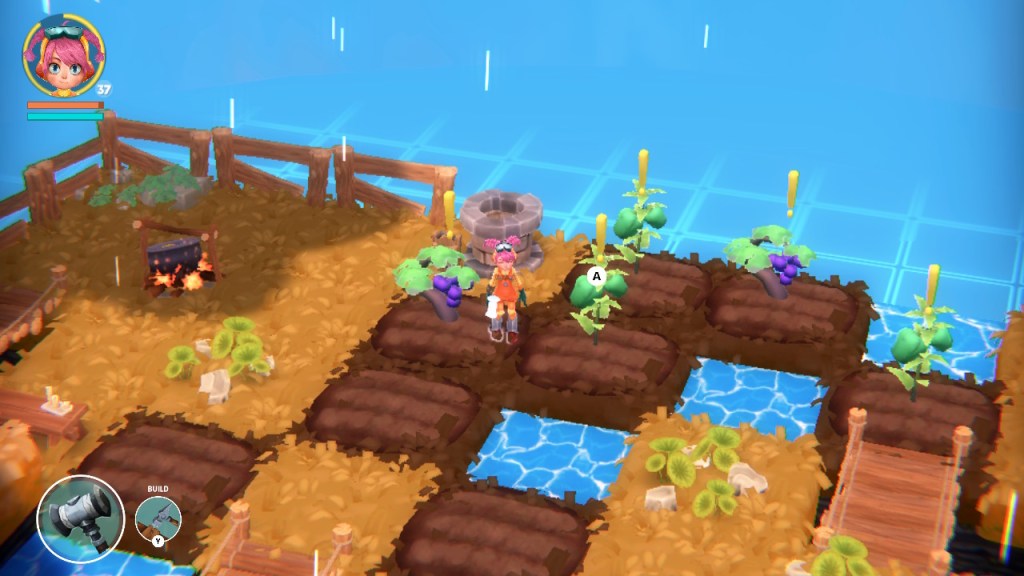
Although you do a lot for the anks, that doesn’t mean that they do nothing for you. They teach you how to make your tools and use them, and provide you with crafting and cooking recipes. One ank will even mine for you; there are multiple mines on Ankora, and you can choose what you want them to mine for at each one. You also learn how to farm from the anks! The mining and crop growing both take place in real time, so you’ll have to wait about ten minutes for the miner to finish and the crops to grow. But you’re kept so busy that when you run around Ankora helping people, the timer runs down and you can use the portals to get back to the mine or farming area.
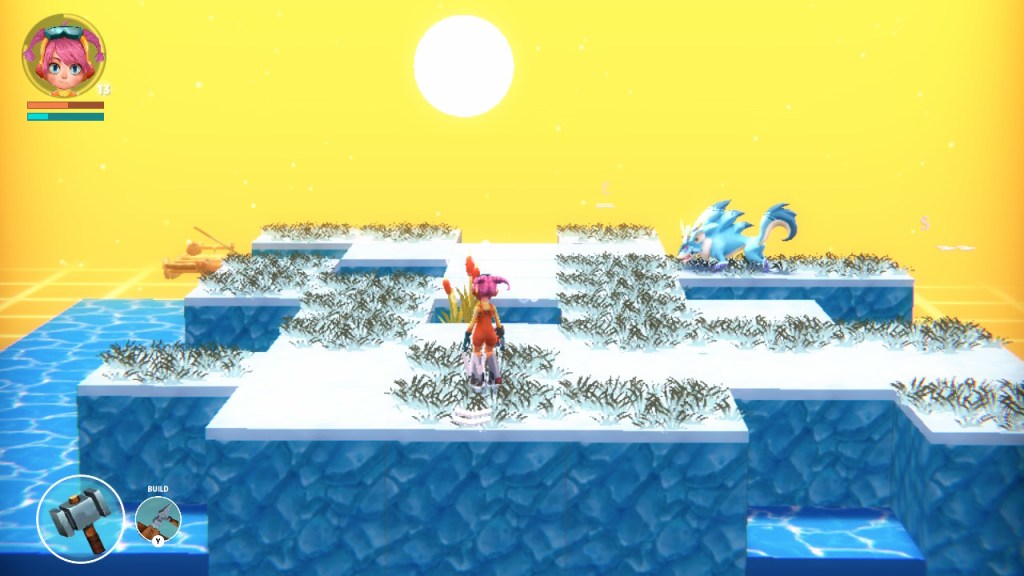
I loved the art for the anks, and even though character development wasn’t overly strong, there was still a plot to the game. There were some odd mistakes in the script here and there (“Thanks you so much”) but nothing that really affected comprehension. The story could have used some more details in my opinion; I wanted more information on the last war and current events in Ankora. Magic is mentioned here and there, and I was a little disappointed that the anks never taught those skills to me. The story did not shine as much as it could have, but the graphics were certainly lovely and bright. I enjoyed exploring the vibrant environments in the different biomes across Ankora.
Switch it ON or Switch it OFF? Ankora: Lost Days is a colorful terraforming survival/exploration game with ties to other games in the Chibig universe. The player’s enjoyment of the game will depend on their willingness to take the time to shape the environment as well as their willingness to go back and forth to complete requests. Personally, I liked customizing the terrain and making the pathways less cumbersome to travel through. I did find some quests – like animal luring – to be less enjoyable. But I enjoyed the crafting elements a lot and especially appreciated the many accessible conveniences included in the game, like portals. I thought it was a cute survival game with sweet themes of friendship and cooperation, as well as the preservation of nature. 8/10

 Switch It On Gaming
Leave a comment