
- Price: $14.99
- Developer/Publisher: UNICO INC.
- Release Date: May 26, 2022
A review code was kindly provided by UNICO INC. We thank them for being able to cover something they’ve worked so hard on. 神奏三国詩のコードを送ってくれてお礼申し上げます。

Twin Blades of the Three Kingdoms (神奏三国詩) is described as a retro-style RPG based on the 120-chapter, 800,000 word Romance of the Three Kingdoms, which was published in China in the fourteenth century. I really enjoy media that is based on significant historical events and/or literature, so I was excited to start playing this game.
You play as Xu Shu, who arrives in a village under attack by the Yellow Turbans. Xu Shu teams up with a strong man named Zhang Fei to defend the village! Residents of a nearby village comment that the goals of the original Yellow Turbans have been corrupted by the newer factions of the organization. (They were apparently a real group that existed between 184-205 AD in China.) You must join forces with Zhang Fei to take them down!
Upon defeating the Yellow Turbans, Xu Shu and his companions then decide to take on more historical figures, although Xu Shu’s motivation for doing so isn’t entirely clear. Each segment – at least loosely based on real historical events – is divided into chapters that are interconnected, but you cannot return to areas from previous chapters. The areas in each chapter are isolated from areas in the previous chapter. In some ways, I liked that because it meant there was less confusion on where to go and what to do.
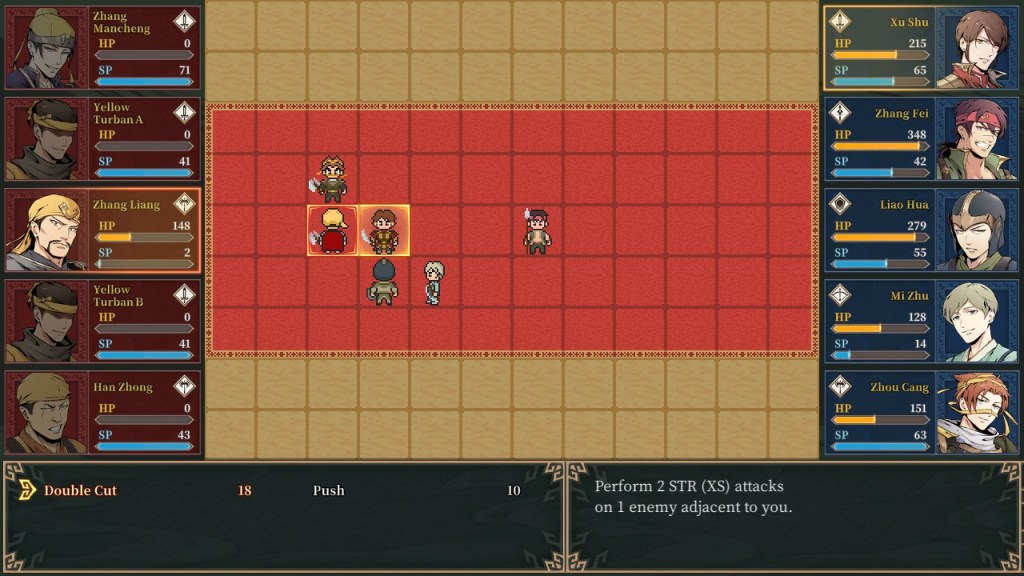
When Xu Shu’s group confronts their many enemies in a team of 1-5 units, the turn-based battles occur on a grid; however, it’s not a tactics game in the traditional sense. You do not get to choose the specific square your unit will move to – you get to select the enemy they attack, and the game decides how they move there based on their movement range and if other units are in the way. If you want to have your units move to the back, choose the “back” option – but again, the game decides how they move. Sometimes the way they move the units around felt a little odd because I thought there were better paths to choose. I also disliked that we can’t see the turn order.
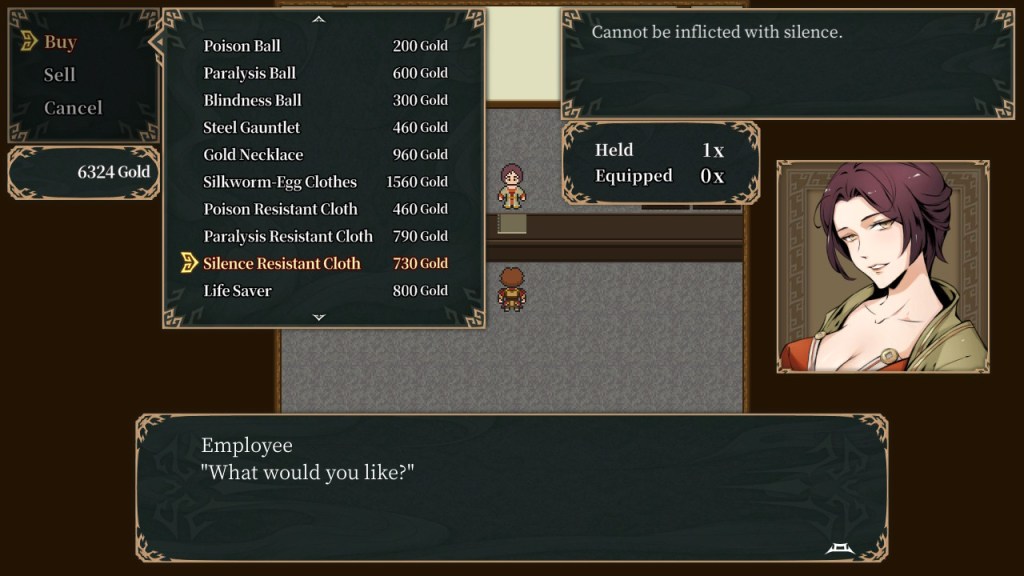
Speaking of movement, I had a healer character who doubled as a “mage” somewhat, but her movement range was very low, which affected her ability to quickly reach units needing to be healed. Thankfully, you can equip your units with different accessories to fix problems with their stats. I equipped that healer with an item to increase her movement. I put an item that decreased SP use on my main healer, and an item that allowed another character to use their regular attack twice. You can only equip one item on each character; this was good because the amount of money you earn per battle is pretty low, but I did wish we could equip weapons and armor to further augment characters’ stats.
Units also have their own passive abilities that aid you in battle by temporarily increasing stats or even increasing the amount of gold you earn in a battle. It wasn’t clear what caused the passive abilities to activate, but they’re definitely useful. I also liked using abilities that targeted multiple enemies at once – my favorite ability was probably “Hellfire Scheme,” which is a medium-strength fire ability that attacks all enemies within 4 spaces and that can inflict the burn status effect. 🔥😈
I did find it a bit odd that my healers couldn’t use their own healing abilities on themselves in battle. Outside of battle, they can heal themselves, but in battle they’re stuck healing themselves with healing items from my inventory. I’d frequently have my healers heal each other in battle to save healing items! There weren’t any healing abilities that targeted multiple allies, and they also require you to be within a certain amount of spaces, so it’s very important to consider that limitation when deciding where to put your units in the formation screen. (Healing items seem to be usable regardless of distance.)
Another important consideration in battle would be weapons’ strengths and weaknesses – similar to Fire Emblem, swords beat axes, axes beat spears, and spears beat swords. As a spear user, Zhang Fei can attack diagonally and from 2 spaces away as well. I liked the range of spear-wielding characters, but I did not tend to like using bows because my archers felt weaker than enemy archers both in terms of power and a lack of abilities targeting multiple enemies.
Abilities naturally tend to be stronger than regular attacks, but they use SP. When you’re low on SP, using regular attacks will restore some of it, which I really liked because I didn’t have to buy many items to restore SP. I also liked the “Charge”/auto-battle function, which only uses regular attacks.
I wouldn’t say that battles are that difficult, but bear in mind that I tend to grind a lot in games to make sure my characters are more powerful than bosses. 😅 Random encounters on the world map may not be too challenging if 1-3 enemies appear, but if 4-5 enemies showed up I had to be more careful. None of my units were ever defeated until Chapter 7 (the final chapter), where I lost one unit during several back-to-back battles (and promptly used an item to revive them).
Grinding didn’t seem that necessary because random encounters occur frequently enough that your characters should be at the right levels for boss battles unless you’re constantly running away. (If you get want to completely prevent random encounters, there’s an item for that!) They made it so you can change Xu Shu’s walking speed, and I changed it to make him walk faster. I don’t know if keeping the walking speed at the normal pace affects the appearance rate of random encounters or not. As someone whose real-life default walking mode is set to “speed walk,” I really liked having control of my character’s movement speed, too! 😂

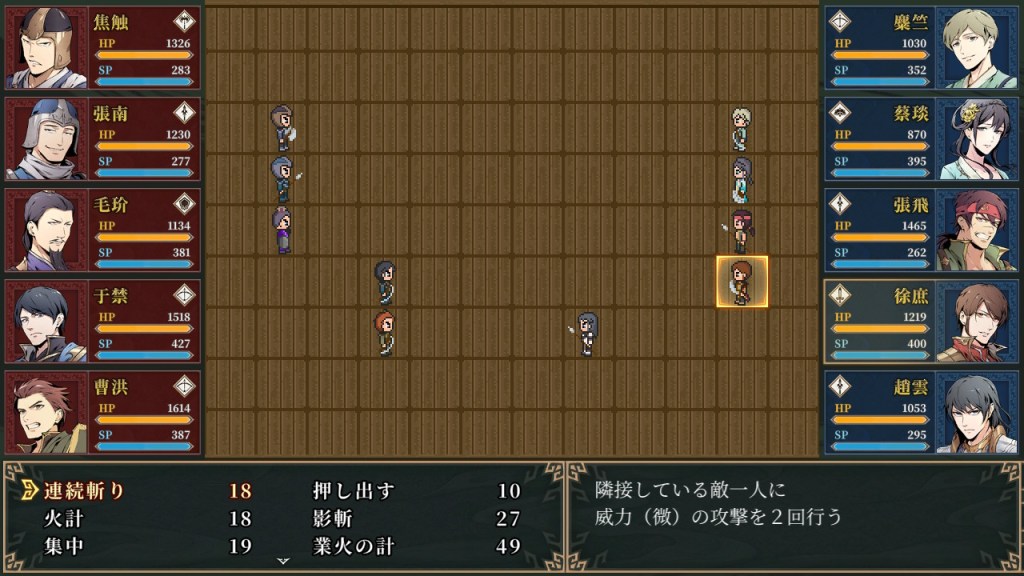
Another nice feature is that you can choose to play in English, Japanese, or even simplified Chinese. You can’t change between the three when you are playing, and can only change the language options through the start menu. But what’s neat is that you can change the language option for a save file already in progress and have some fun practicing your reading in the other languages!
While I appreciated the multiple language options, sometimes there seemed to be some awkwardness in the English translation. It mostly consisted of typos and overall it’s coherent, but I was occasionally confused by what was happening plot-wise. I did really like how the storylines are based on actual historical figures and events in China. Sometimes the plot felt convoluted and chaotic, which I would imagine was the way things were throughout the time period covered in the game.

The villagers in the areas you visit don’t tend to have much to say, with focus placed on interactions with local rulers and their advisors. Most towns have a store, inn, castle, and a “Formation Station” to swap out units. You can use up to five units in battle, but at the Formation Station you can add units to your reserves to take with you and swap them out in the field. Sometimes you’ll have units leave your party for plot-related purposes, but they seem to always return.

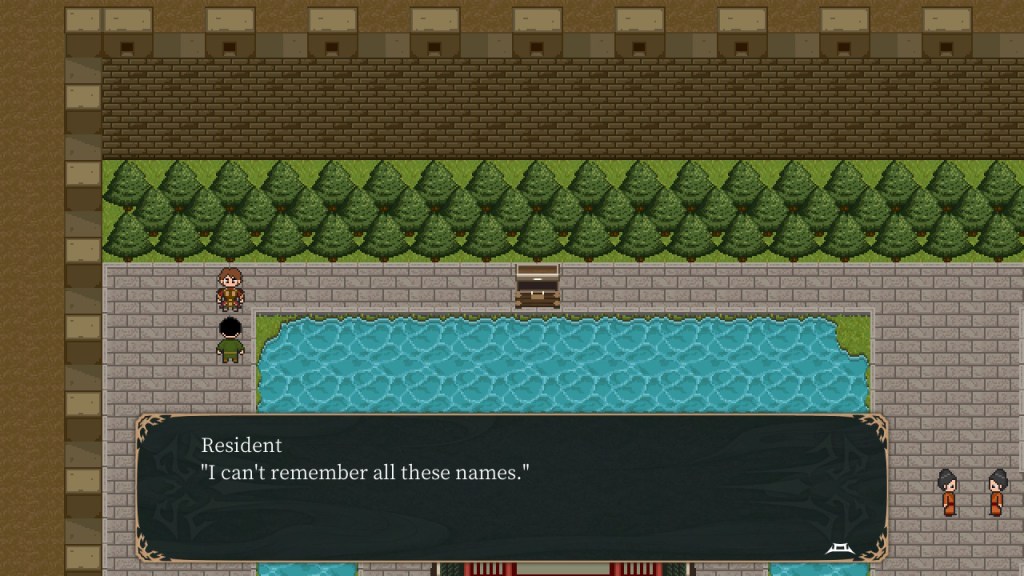
Some people – myself included – may occasionally find themselves having trouble keeping track of all of the different characters due to the number of characters as well as their names. For example, I encountered characters named Yuan Shao and Yuan Shu, and then I also encountered Zhang Bao, Zhang Liang, and Zhang Jiao. There was one character named Sun Ce who told a man to “remember the name of Sun Tzu”; I was uncertain if this was a typo confusing Sun Ce and Sun Tzu, or if it was supposed to be referencing something else.
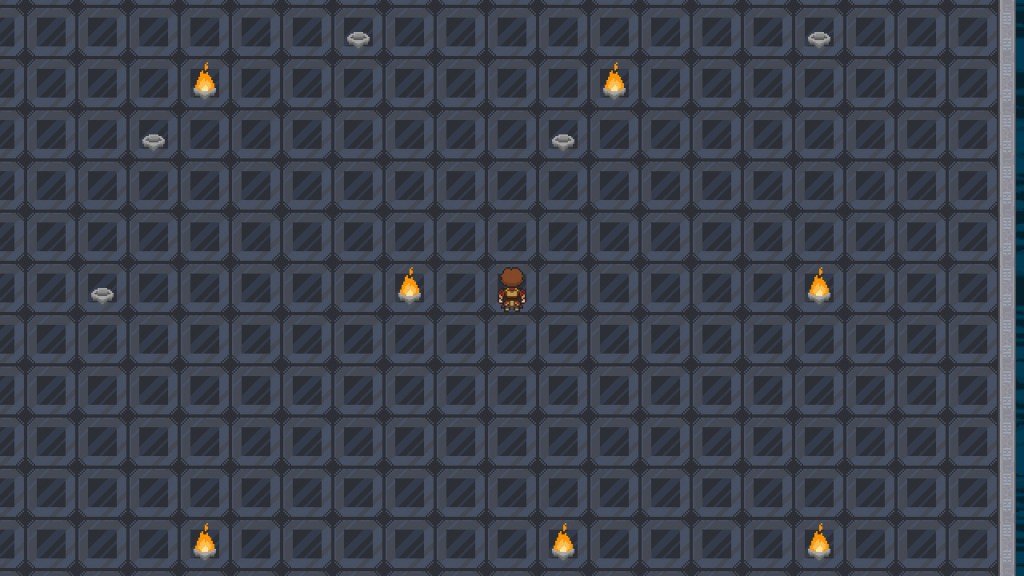
Thankfully, exploration was mostly straightforward, but in Chapter 5 they added a puzzle element to access the next area. There were no explicit clues so I ended up solving it through trial and error when I finally remembered the arrangement of the previous room. The sudden inclusion of puzzles felt like an odd design choice because there hadn’t been any until more than halfway through the game.
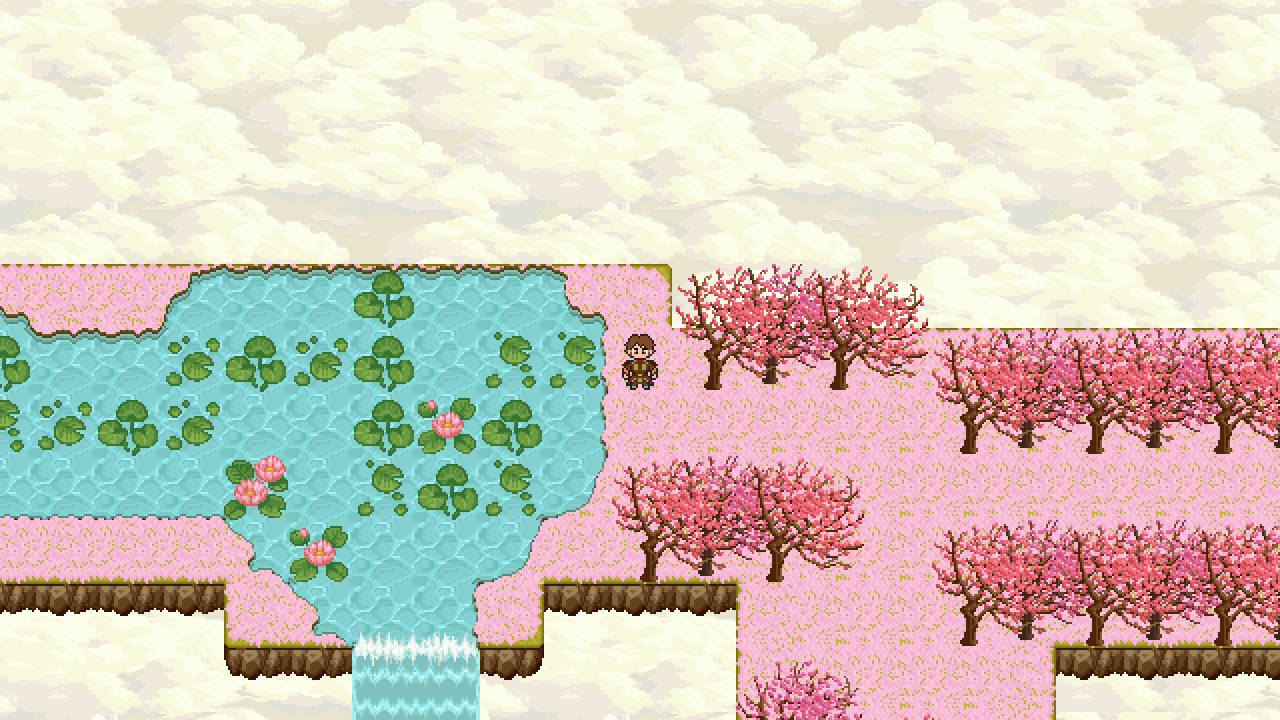

I really love the character designs, though! The graphics in terms of character sprites and the environment are somewhat simple, yet colorful and beautiful at the same time. The game is set in ~184 AD onward, so I actually found the simplicity somewhat appropriate.
I enjoyed my 30 hours of playtime across the game’s seven chapters. The ending felt somewhat abrupt in a way, so I was intrigued to see that it said “The Battle of Red Cliffs Saga: Fin,” which I took to mean that a sequel is a possibility! I’d love to see this turn into a series that covers more of the historical inspirations covered here, with some more challenging and fun gameplay.
Switch it ON or Switch it OFF? Twin Blades of the Three Kingdoms is a combat-heavy turn-based RPG with a cool inspiration for the aesthetics and the plot. The puzzles in later chapters were confusing, and while the plot was also hard to keep track of sometimes, I did like looking up the characters to find out more about the game’s historical interpretations. Although the combat and equipment mechanics could use small improvements, I still enjoyed the combat. I really liked the art style and the music, and think the game was pretty well done overall. 8/10
 Switch It On Gaming
Leave a comment